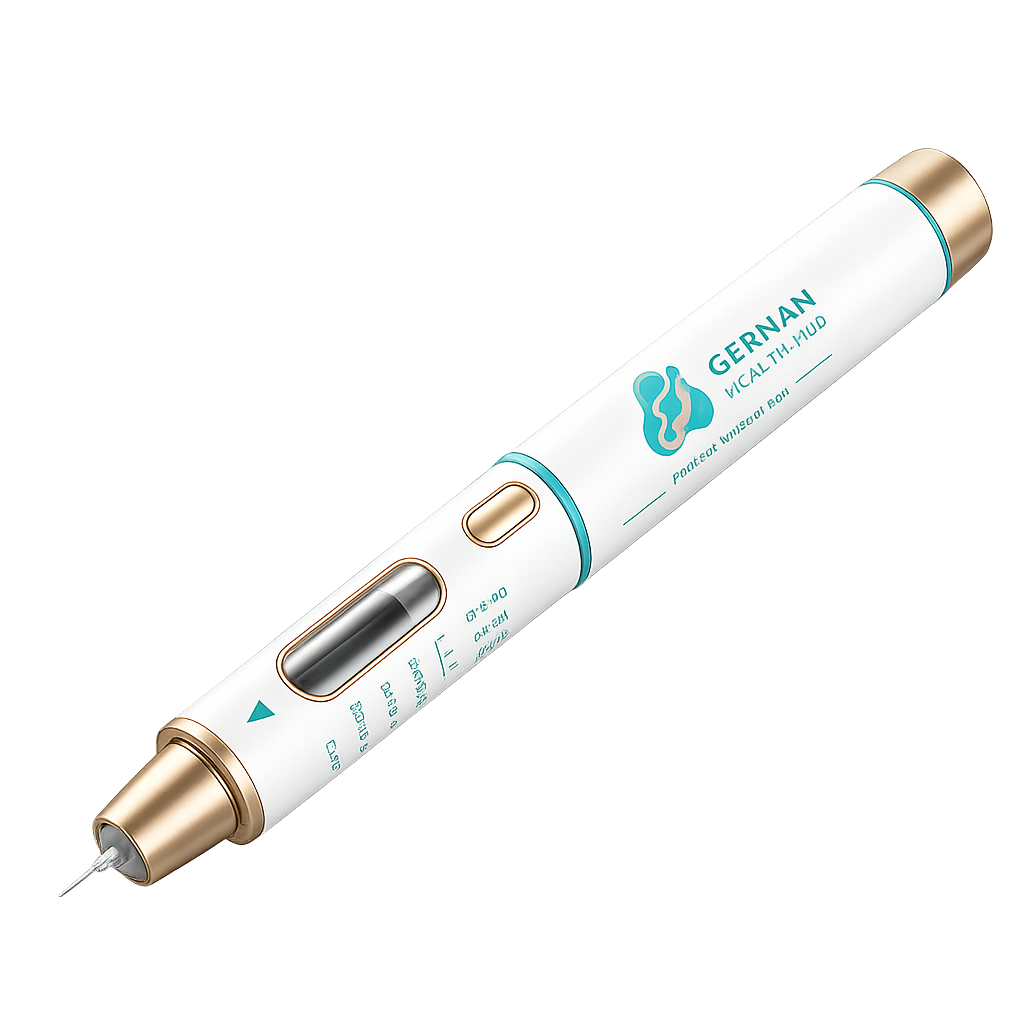
Epithalon 30mg
Telomere-extending tetrapeptide — the gold standard of longevity
Full Details & Dosage GuideClinical Uses
- Telomere extension and cellular anti-aging
- Pineal gland melatonin restoration
- Immune system rejuvenation in aging
- Cancer prevention via epigenetic normalization
- Circadian rhythm and sleep restoration
- Biomarker-based longevity protocols
Key Benefits
- Only known peptide to activate telomerase — the enzyme that lengthens telomeres
- Demonstrated lifespan extension in multiple animal models
- Restores melatonin production in aging pineal gland
- Reduces oxidative stress and lipid peroxidation markers
- Normalizes cortisol and T3/T4 thyroid levels in aging populations
- Well-tolerated with 30+ years of Russian clinical research
How It Works
Epithalon (Ala-Glu-Asp-Gly) is a synthetic tetrapeptide that penetrates cell nuclei and activates telomerase (TERT) — the enzyme responsible for maintaining telomere length. Shortened telomeres are a primary hallmark of cellular aging; their maintenance delays replicative senescence. Epithalon also acts on the pineal gland to restore melatonin synthesis and modulates neuroimmune signaling.
Dosage Protocol
5–10 mg subcutaneous injection once daily for 10–20 day cycles, twice per year (spring and autumn). Most protocols use 10-day pulses: 10 mg/day for 10 days, repeated twice yearly.
When to Expect Results
During cycle: improved sleep, energy, and mood within 3–5 days. Weeks 2–4: measurable telomere length markers on specialized labs. Months 1–3: immune rejuvenation and normalized biomarkers. Long-term (years): telomere maintenance and biological age reversal.
Epithalon 100mg
High-dose Epithalon — intensive anti-aging & telomerase activation
Full Details & Dosage GuideClinical Uses
- Telomere extension and cellular anti-aging
- Pineal gland melatonin restoration
- Immune system rejuvenation in aging
- Cancer prevention via epigenetic normalization
- Circadian rhythm and sleep restoration
- Biomarker-based longevity protocols
Key Benefits
- Only known peptide to activate telomerase — the enzyme that lengthens telomeres
- Demonstrated lifespan extension in multiple animal models
- Restores melatonin production in aging pineal gland
- Reduces oxidative stress and lipid peroxidation markers
- Normalizes cortisol and T3/T4 thyroid levels in aging populations
- Well-tolerated with 30+ years of Russian clinical research
How It Works
Epithalon (Ala-Glu-Asp-Gly) is a synthetic tetrapeptide that penetrates cell nuclei and activates telomerase (TERT) — the enzyme responsible for maintaining telomere length. Shortened telomeres are a primary hallmark of cellular aging; their maintenance delays replicative senescence. Epithalon also acts on the pineal gland to restore melatonin synthesis and modulates neuroimmune signaling.
Dosage Protocol
5–10 mg subcutaneous injection once daily for 10–20 day cycles, twice per year (spring and autumn). Most protocols use 10-day pulses: 10 mg/day for 10 days, repeated twice yearly.
When to Expect Results
During cycle: improved sleep, energy, and mood within 3–5 days. Weeks 2–4: measurable telomere length markers on specialized labs. Months 1–3: immune rejuvenation and normalized biomarkers. Long-term (years): telomere maintenance and biological age reversal.
Epithalon 30mg
Epithalon in convenient multi-dose vial for sustained longevity protocols
Full Details & Dosage GuideClinical Uses
- Telomere extension and cellular anti-aging
- Pineal gland melatonin restoration
- Immune system rejuvenation in aging
- Cancer prevention via epigenetic normalization
- Circadian rhythm and sleep restoration
- Biomarker-based longevity protocols
Key Benefits
- Only known peptide to activate telomerase — the enzyme that lengthens telomeres
- Demonstrated lifespan extension in multiple animal models
- Restores melatonin production in aging pineal gland
- Reduces oxidative stress and lipid peroxidation markers
- Normalizes cortisol and T3/T4 thyroid levels in aging populations
- Well-tolerated with 30+ years of Russian clinical research
How It Works
Epithalon (Ala-Glu-Asp-Gly) is a synthetic tetrapeptide that penetrates cell nuclei and activates telomerase (TERT) — the enzyme responsible for maintaining telomere length. Shortened telomeres are a primary hallmark of cellular aging; their maintenance delays replicative senescence. Epithalon also acts on the pineal gland to restore melatonin synthesis and modulates neuroimmune signaling.
Dosage Protocol
5–10 mg subcutaneous injection once daily for 10–20 day cycles, twice per year (spring and autumn). Most protocols use 10-day pulses: 10 mg/day for 10 days, repeated twice yearly.
When to Expect Results
During cycle: improved sleep, energy, and mood within 3–5 days. Weeks 2–4: measurable telomere length markers on specialized labs. Months 1–3: immune rejuvenation and normalized biomarkers. Long-term (years): telomere maintenance and biological age reversal.
Humanin 30mg
Mitochondrial-derived peptide — neuroprotection, insulin sensitivity & longevity
Full Details & Dosage GuideClinical Uses
- Mitochondrial protection and energy restoration
- Alzheimer's and cognitive decline prevention
- Insulin resistance and metabolic syndrome
- Age-related muscle wasting (sarcopenia)
- Cardiovascular protection
- Longevity optimization
Key Benefits
- Mitochondrially encoded peptide that declines 40–50% per decade after age 40
- Potent neuroprotective: prevents amyloid-beta toxicity in Alzheimer's models
- Improves insulin sensitivity through AMPK and AKT pathways
- Reduces cardiovascular risk markers
- Demonstrated lifespan extension in multiple organisms
- Works synergistically with MOTS-c for comprehensive mitochondrial support
How It Works
Humanin is a 21-amino-acid peptide encoded within the 16S rRNA gene of mitochondrial DNA. It binds the mitochondrial formyl peptide receptor-1 (FPR2), activating STAT3 and AKT survival pathways. In neurons, it blocks amyloid-beta-induced apoptosis. Systemically, it activates AMPK for metabolic improvement and reduces ROS-mediated cellular damage.
Dosage Protocol
2–4 mg subcutaneous injection 3–5x per week. Best post-exercise or in the morning. Stack with MOTS-c and NAD+ for comprehensive mitochondrial anti-aging. 8–12 week cycles.
When to Expect Results
Weeks 1–2: improved cognitive clarity and energy. Weeks 2–4: measurable insulin sensitivity improvement. Weeks 4–8: cardiovascular markers improve, muscle preservation measurable. Weeks 8–12: full mitochondrial restoration on metabolic panel.
MOTS-C 30mg
Mitochondrial regulator — metabolic health & healthy aging
Full Details & Dosage GuideClinical Uses
- Longevity and healthy aging
- Mitochondrial dysfunction in aging
- Exercise capacity preservation in older adults
- Metabolic regulation and insulin sensitivity
- Sarcopenia prevention
Key Benefits
- Declines dramatically with age — restoration reverses aging phenotypes
- Exercise mimetic: produces metabolic benefits similar to aerobic exercise
- Reduces systemic inflammation associated with aging
- Improves healthspan in addition to lifespan
- Complementary to NAD+ and Humanin for mitochondrial protocol
How It Works
MOTS-c's primary longevity significance is its dramatic age-related decline and its role as a mitochondrial stress signal coordinating nuclear gene expression to maintain metabolic homeostasis. Restoration reverses markers of metabolic aging via AMPK activation.
Dosage Protocol
5–10 mg subcutaneous injection 3–5x per week. Best combined with NAD+ and Humanin. 8–12 week cycles with 4 week breaks.
When to Expect Results
Weeks 1–2: improved energy and exercise tolerance. Weeks 2–4: insulin sensitivity improvement. Weeks 4–8: muscle preservation. Weeks 8–12: comprehensive metabolic age improvement on labs.
MOTS-C 60mg
High-dose MOTS-C — advanced mitochondrial and longevity protocol
Full Details & Dosage GuideClinical Uses
- Extended longevity protocol
- Mitochondrial anti-aging
- Sarcopenia prevention in advanced age
- Metabolic optimization for aging patients
Key Benefits
- 60mg vial for continuous 12+ week longevity protocols
- AMPK activation reverses metabolic aging markers
- Exercise-mimetic without physical stress on aging joints
- Synergistic with NAD+, Humanin, and SS31
How It Works
Same MOTS-c mitochondrial mechanism. 60mg vial provides extended protocol support for serious longevity programs without interruption.
Dosage Protocol
5–10 mg subcutaneous injection 3–5x per week. Run 12–16 weeks for full longevity effect. Combine with NAD+ IV and Humanin.
When to Expect Results
Weeks 1–4: energy and exercise tolerance improvement. Weeks 4–8: metabolic markers improve. Weeks 8–16: sustained anti-aging effect on comprehensive panel.
NAD+ 750mg
IV-grade NAD+ — cellular energy, DNA repair & anti-aging
Full Details & Dosage GuideClinical Uses
- Cellular energy restoration and mitochondrial function
- DNA repair acceleration
- Anti-aging and longevity optimization
- Addiction recovery and mental health support
- Neurodegenerative disease prevention
- Metabolic optimization
Key Benefits
- Directly replenishes NAD+ — most critical coenzyme in human metabolism
- Activates sirtuins (SIRT1-7) — longevity enzymes that decline with age
- Enhances PARP enzyme activity for DNA repair
- Improves energy, mood, and cognitive clarity
- Demonstrated anti-aging effects at cellular and systems levels
How It Works
NAD+ is a coenzyme found in every living cell that declines 50%+ between ages 20 and 60. It serves as an electron carrier in oxidative phosphorylation, a substrate for sirtuin deacetylases (regulating gene expression and aging), and a co-factor for PARP enzymes (DNA repair). Direct supplementation restores mitochondrial efficiency and activates longevity pathways.
Dosage Protocol
750 mg IV infusion over 3–4 hours. Starting dose for NAD+ therapy. 2–4 infusions over 1–2 weeks. Maintenance: monthly infusions. Subcutaneous 500–750 mg can supplement between infusions.
When to Expect Results
During first infusion: surge in energy and mental clarity. Days 1–3 post-infusion: peak cognitive and energy effect. Weeks 1–2: sustained improvements. Ongoing: cumulative anti-aging benefits.
NAD+ 1050mg
High-concentration NAD+ — deep mitochondrial recharge
Full Details & Dosage GuideClinical Uses
- Cellular energy restoration
- Anti-aging and longevity optimization
- Addiction recovery and neurological support
- Mitochondrial dysfunction
- DNA repair
Key Benefits
- Mid-range NAD+ dose for balanced efficacy and tolerability
- Activates sirtuins and PARP enzymes
- Improves energy, mood, and cognitive performance
- Effective for most patients on standard protocols
How It Works
Same NAD+ mechanism — replenishes intracellular NAD+ for oxidative phosphorylation, sirtuin activation, and DNA repair. 1050 mg provides therapeutic levels suitable for most patients.
Dosage Protocol
1050 mg IV infusion over 4–5 hours. 2–4 infusions per initial protocol. Monthly maintenance or weekly subcutaneous supplementation.
When to Expect Results
First infusion: energy and clarity surge. Days 1–3: peak benefit. Weeks 1–2: sustained improvement. Monthly: cumulative anti-aging effect.
NAD+ 1500mg
Large-volume NAD+ for extended longevity and energy protocols
Full Details & Dosage GuideClinical Uses
- Advanced longevity protocols
- Significant NAD+ depletion in aging
- Addiction recovery (high-dose protocol)
- Severe mitochondrial dysfunction
- Neurodegeneration support
Key Benefits
- Highest clinical dose for maximum NAD+ repletion
- Maximizes sirtuin and PARP activation
- Recommended for significant deficiency or addiction recovery
- Most comprehensive anti-aging effect
- Clinical-grade cellular energy restoration
How It Works
Same NAD+ mechanism at maximum clinical dose. 1500 mg IV provides the highest achievable plasma and intracellular NAD+ concentration, maximizing sirtuin activation, mitochondrial efficiency, and DNA repair capacity.
Dosage Protocol
1500 mg IV infusion over 5–6 hours. Used in intensive protocols: 4–10 infusions over 1–2 weeks for addiction recovery. Longevity: 1–2 infusions monthly. Physician supervision mandatory.
When to Expect Results
During infusion: significant energy and clarity surge. Days 1–3: maximum anti-aging and recovery effect. Ongoing monthly: sustained biological age improvement.
NAD+ 1000mg
Multi-dose NAD+ — sustained cellular energy & healthy aging
Full Details & Dosage GuideClinical Uses
- Cellular energy restoration
- Anti-aging and longevity optimization
- Neurological support and addiction recovery
- Mitochondrial dysfunction
- DNA repair acceleration
Key Benefits
- Standard high-dose NAD+ for comprehensive anti-aging protocols
- Activates full spectrum of sirtuins (SIRT1-7)
- Strong PARP DNA repair activation
- Significant improvement in energy, mood, and cognition
- Well-tolerated at this dose with physician supervision
How It Works
NAD+ at 1000 mg provides full therapeutic plasma repletion. Activates all 7 sirtuin deacetylases, maximizes PARP-mediated DNA repair, and fully restores mitochondrial electron transport chain efficiency.
Dosage Protocol
1000 mg IV infusion over 4–5 hours. 2–4 infusions in initial protocol. Monthly maintenance. Can combine with subcutaneous NAD+ 500 mg weekly between infusions.
When to Expect Results
First infusion: energy and cognitive clarity surge. Days 1–3: peak benefit. Weeks 1–2: sustained improvement. Monthly program: cumulative biological age reduction.
SS31 10mg
Mitochondria-targeted peptide — energy restoration & cellular protection
Full Details & Dosage GuideClinical Uses
- Mitochondrial anti-aging at the inner membrane level
- Age-related cardiac decline prevention
- Renal aging prevention
- Neurodegenerative disease protection
- Comprehensive longevity protocol
Key Benefits
- Directly preserves cardiolipin — the structural lipid of the inner mitochondrial membrane
- Prevents ETC uncoupling — root cause of age-related energy decline
- Renal protective — extends renal healthspan in aging models
- Anti-inflammatory at the mitochondrial source
- Demonstrated functional improvement in aging Phase II trials
How It Works
SS31 arrests the progressive cardiolipin degradation responsible for declining mitochondrial ATP production in aging. Cardiolipin integrity falls 40–60% with aging, causing fatigue, muscle loss, and organ failure. SS31 stabilizes the inner membrane ETC complexes.
Dosage Protocol
10–25 mg subcutaneous injection daily or every other day. Longevity protocol: 3–4 weeks on, 2 weeks off. Combine with NAD+, MOTS-c, and Humanin for comprehensive mitochondrial stack.
When to Expect Results
Weeks 1–2: reduced fatigue and oxidative stress markers. Weeks 2–4: improved exercise capacity. Weeks 4–8: mitochondrial bioenergetics improvement. Weeks 8–24: sustained organ-level protection.
SS31 50mg
High-dose SS31 — intensive mitochondrial longevity protocol
Full Details & Dosage GuideClinical Uses
- Advanced longevity mitochondrial protocols
- Age-related cardiac and renal protection
- Neurodegenerative disease prevention
- Sarcopenia and muscle aging
- Comprehensive anti-aging program anchor
Key Benefits
- Largest supply for uninterrupted 8–12 week longevity protocols
- Maximum inner mitochondrial membrane protection
- Suitable for combination mitochondrial stacks
- Sustained ETC complex stabilization
- Best value for extended longevity programs
How It Works
Same SS31 cardiolipin-binding mechanism. 50mg vial supports extended daily or every-other-day dosing across full 8–16 week longevity protocols without supply interruption.
Dosage Protocol
25–50 mg subcutaneous injection daily or every other day. 8–16 week longevity protocol. Combine with NAD+ IV, MOTS-c, and Humanin. Renal longevity: 12–24 weeks under nephrology oversight.
When to Expect Results
Weeks 1–2: fatigue reduction and antioxidant effect. Weeks 2–4: improved exercise capacity. Weeks 4–8: mitochondrial bioenergetics improvement. Weeks 8–16: full anti-aging effect on comprehensive longevity panel.
All peptides require UAE licensed physician review and mandatory blood work before dispensing. All protocols are subject to physician approval. Results vary by individual. These statements are for informational purposes only and do not constitute medical advice.