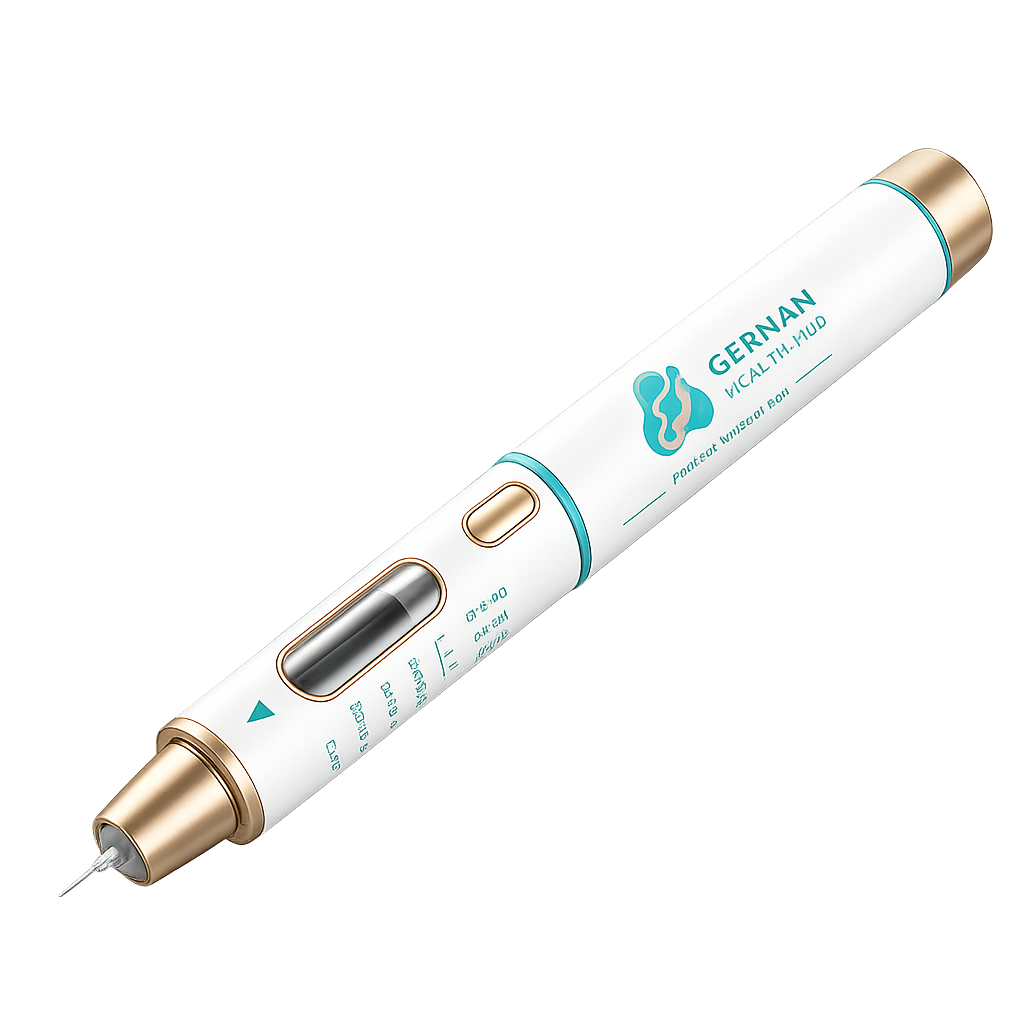
Humanin 30mg
Mitochondrial-derived peptide — neuroprotection, insulin sensitivity & longevity
Humanin is a 21-amino-acid mitochondria-derived peptide (MDP) encoded in the 16S rRNA gene of the mitochondrial genome. It was discovered in 2001 in the brains of Alzheimer's patients where mitochondria were still functional. Humanin circulates in the blood and acts as a systemic survival signal — protecting against cellular death, metabolic diseases, and neurodegeneration. Levels decline with age and correlate with longevity.
Clinical Uses
What conditions & goals this peptide addresses
Key Benefits
The measurable outcomes you can expect
How It Works — Mechanism of Action
The precise biology behind this peptide's effects
Humanin binds to IGFBP-3, TRIM21, and the CNTFR-α/GP130/WSXWS receptor complex, activating JAK2/STAT3 and PI3K/Akt survival pathways. This blocks Bax-mediated mitochondrial apoptosis. It also reduces amyloid-beta toxicity by direct binding, reduces inflammatory NF-κB signalling, and improves insulin signalling through IRS-1 phosphorylation.
Subcutaneous injection. Reconstitute with bacteriostatic water. Some protocols use intranasal delivery for enhanced CNS penetration.
Dosage Protocol
GHH physician-guided dosing guidelines
Standard: 2–8 mg subcutaneous, daily or every other day. Neuroprotection protocol: 4 mg daily. Longevity stack: 2 mg every other day combined with MOTS-C and Epithalon.
When to Expect Results
A realistic timeline from first dose to full effect
Neuroprotective effects: cumulative over 4–8 weeks. Insulin sensitivity improvement: 3–6 weeks. Longevity and anti-aging effects: months of consistent use.
Side Effects
What to watch for and how common they are
Excellent safety profile. Rare: mild injection site reactions. No significant systemic adverse effects reported.
Contraindications
Who should not use this peptide
Pregnancy (insufficient data). Active cancer (anti-apoptotic — theoretical concern). Monitor blood glucose (improves insulin sensitivity).
Best Stacked With
Peptide synergies recommended by GHH physicians
Understanding Your Body's Language
Peptides are not exotic foreign chemicals — they are the precise molecular signals your body has evolved to use for billions of years. Here's what you need to know.
"Peptides don't change who you are — they restore who you were designed to be."
— German Health Hub Clinical Philosophy
All peptides require UAE licensed physician review and mandatory blood work before dispensing. Information presented is for educational purposes only and does not constitute medical advice. Individual results may vary. Peptides are prescribed and dispensed under strict medical supervision by German Health Hub's licensed clinical team.