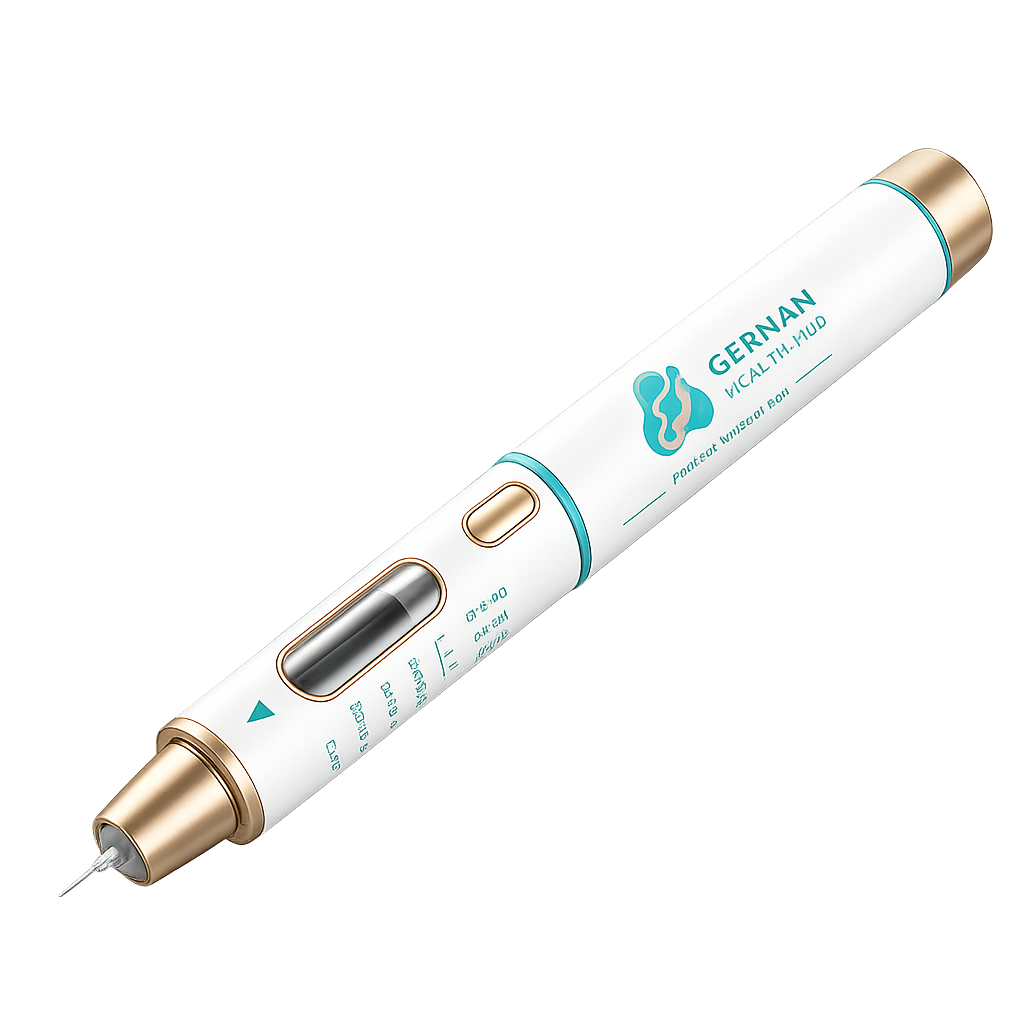
Oxytocin 40IU/puff
Bonding & trust hormone — mood, intimacy & social wellbeing
Oxytocin is a 9-amino-acid neuropeptide naturally produced in the hypothalamus and released by the posterior pituitary. Often called the 'love hormone' or 'bonding peptide', it plays a central role in social bonding, trust, sexual intimacy, childbirth, breastfeeding, and stress response. Therapeutic oxytocin is used to deepen emotional connections, reduce anxiety, and amplify the effects of PT-141.
Clinical Uses
What conditions & goals this peptide addresses
Key Benefits
The measurable outcomes you can expect
How It Works — Mechanism of Action
The precise biology behind this peptide's effects
Oxytocin binds to OXTR receptors in the hypothalamus, amygdala, nucleus accumbens, and brainstem. In the amygdala, it reduces fear and threat perception. In the nucleus accumbens, it potentiates dopamine release — explaining its role in pleasure, bonding, and sexual arousal. It also suppresses HPA axis activity (cortisol reduction) and modulates inflammatory pathways.
Nasal spray (most common): 1–4 sprays (10–40 IU) per nostril, 15–30 minutes before social or intimate situations. Subcutaneous injection: 20–40 IU for more systemic effects.
Dosage Protocol
GHH physician-guided dosing guidelines
Nasal: 10–40 IU (1–4 sprays of 40 IU/mL solution) 20–30 minutes before use. Injectable: 20–40 IU subcutaneous. Do not use more than once daily.
When to Expect Results
A realistic timeline from first dose to full effect
Acute effects (anxiety reduction, bonding): within 30–60 minutes of administration. Cumulative mood and trust improvement: 2–4 weeks.
Side Effects
What to watch for and how common they are
Generally well tolerated. Rare: uterine contractions (contraindicated in pregnancy), mild headache, nausea. Euphoria at high doses. Possible over-trust/reduced caution in strangers.
Contraindications
Who should not use this peptide
Pregnancy (can induce labour). Cardiovascular disease (vasodilatory effect). Epilepsy. Avoid with alcohol (amplifies effects).
Best Stacked With
Peptide synergies recommended by GHH physicians
Understanding Your Body's Language
Peptides are not exotic foreign chemicals — they are the precise molecular signals your body has evolved to use for billions of years. Here's what you need to know.
"Peptides don't change who you are — they restore who you were designed to be."
— German Health Hub Clinical Philosophy
All peptides require UAE licensed physician review and mandatory blood work before dispensing. Information presented is for educational purposes only and does not constitute medical advice. Individual results may vary. Peptides are prescribed and dispensed under strict medical supervision by German Health Hub's licensed clinical team.