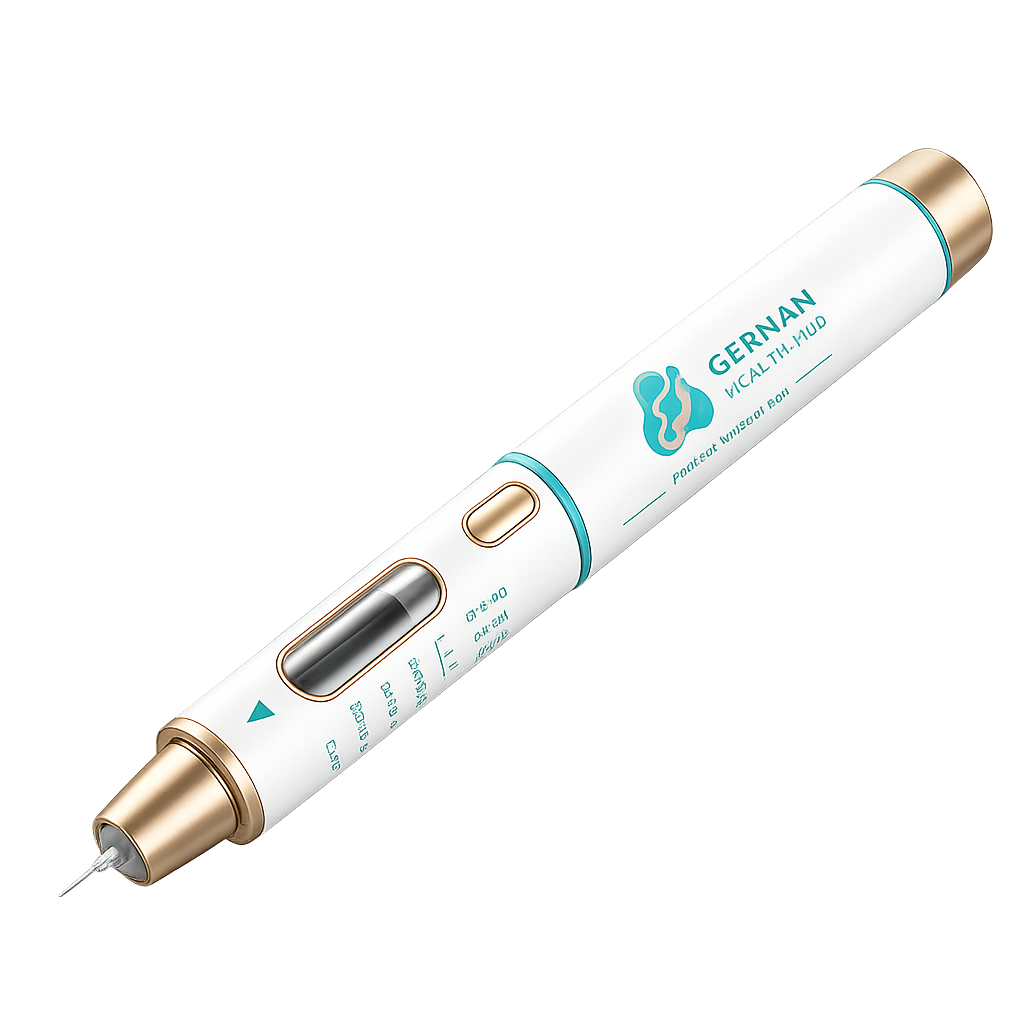
hCG 5,000 IU
Human Chorionic Gonadotropin — testosterone restoration & fertility
hCG (Human Chorionic Gonadotropin) is a glycoprotein hormone naturally produced during pregnancy by the placenta. It shares structural similarity with LH (Luteinising Hormone) and binds to the same receptor — the LH/hCG receptor on Leydig cells in the testes. This makes it the most effective way to stimulate intratesticular testosterone production and maintain testicular size and function during hormonal therapy.
Clinical Uses
What conditions & goals this peptide addresses
Key Benefits
The measurable outcomes you can expect
How It Works — Mechanism of Action
The precise biology behind this peptide's effects
hCG binds to LH/hCG receptors on Leydig cells in the testes, activating adenylyl cyclase and increasing intracellular cAMP. This triggers the steroidogenesis cascade — stimulating cholesterol conversion to pregnenolone and ultimately testosterone synthesis. Unlike exogenous testosterone, hCG maintains testicular volume and intratesticular testosterone concentrations.
Subcutaneous or intramuscular injection. Reconstitute with sterile water. Typically administered 2–3× per week. Can be self-injected with insulin syringe subcutaneously.
Dosage Protocol
GHH physician-guided dosing guidelines
TRT co-administration: 500–1000 IU subcutaneous 2–3× per week. PCT: 2000–5000 IU 3× per week for 3–4 weeks. Fertility: physician-directed protocol (often daily or every other day).
When to Expect Results
A realistic timeline from first dose to full effect
Testicular volume increase: 2–4 weeks. Testosterone rise: 1–2 weeks. Fertility improvement: 3–6 months.
Side Effects
What to watch for and how common they are
Estrogenic effects at high doses (aromatisation to estrogen — monitor). Injection site reactions. Rare: gynecomastia, mood fluctuations, testicular pain. Desensitisation at very high doses.
Contraindications
Who should not use this peptide
Hormone-sensitive cancers. Pregnancy (paradoxically used for fertility, not for women already pregnant). Thrombophilia. Uncontrolled thyroid or adrenal conditions.
Best Stacked With
Peptide synergies recommended by GHH physicians
Understanding Your Body's Language
Peptides are not exotic foreign chemicals — they are the precise molecular signals your body has evolved to use for billions of years. Here's what you need to know.
"Peptides don't change who you are — they restore who you were designed to be."
— German Health Hub Clinical Philosophy
All peptides require UAE licensed physician review and mandatory blood work before dispensing. Information presented is for educational purposes only and does not constitute medical advice. Individual results may vary. Peptides are prescribed and dispensed under strict medical supervision by German Health Hub's licensed clinical team.