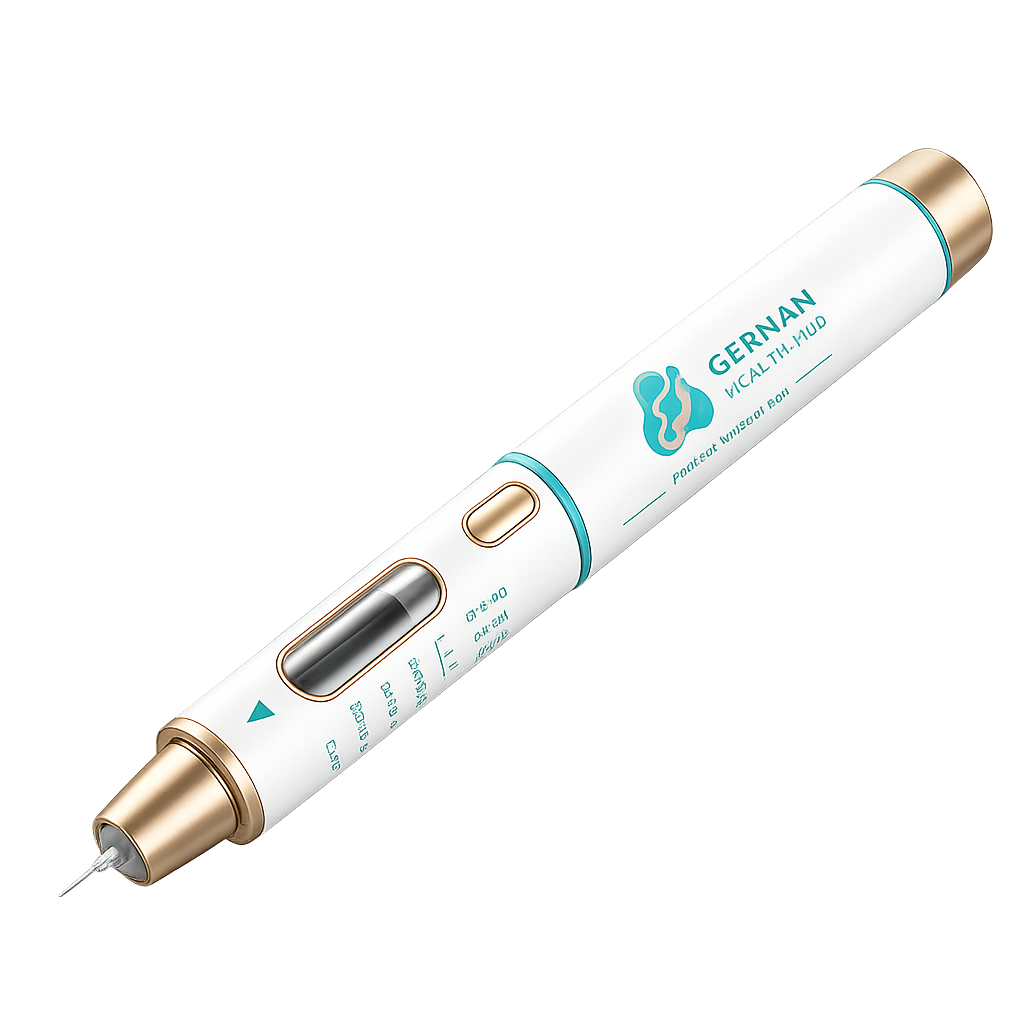
BPC-157 6mg / TB-500 9mg
Classic healing stack — systemic repair, cardiac & connective tissue
Full Details & Dosage GuideClinical Uses
- Cardiovascular tissue repair
- Organ protection (liver, kidney, pancreas)
- Systemic wound healing and inflammation
- Athletic recovery and connective tissue repair
- Post-surgical healing
- Chronic disease tissue protection
Key Benefits
- Dual-pathway: BPC-157 drives angiogenesis; TB-500 drives cellular migration
- Reduces inflammation while promoting regeneration simultaneously
- Systemic reach — protects organs distant from injection site
- Significant cardioprotective effects in ischemia models
- Well-tolerated combination with decades of research
How It Works
BPC-157 stimulates VEGF-mediated angiogenesis and FAK-paxillin cellular migration, directly repairing damaged tissue microvasculature. TB-500 promotes actin polymerization through its Ac-SDKP sequence, enabling cell motility and tissue remodeling. In the cardiovascular system, BPC-157 preserves endothelial integrity post-ischemia while TB-500 supports cardiomyocyte survival and vascular remodeling.
Dosage Protocol
BPC-157: 250–500 mcg + TB-500: 500 mcg–2 mg subcutaneous injection, 1–2x daily. Co-administer at adjacent sites. Cardiovascular protocol: 4–8 weeks with cardiologist oversight.
When to Expect Results
Days 3–7: reduction in pain and inflammation. Weeks 2–3: improved tissue perfusion and healing. Weeks 4–6: measurable functional recovery. Weeks 6–8: significant organ-level regeneration and inflammatory marker normalization.
BPC-157 15mg / TB-500 22.5mg
High-dose BPC/TB stack — advanced systemic recovery & organ protection
Full Details & Dosage GuideClinical Uses
- Cardiovascular tissue repair
- Organ protection (liver, kidney, pancreas)
- Systemic wound healing and inflammation
- Athletic recovery and connective tissue repair
- Post-surgical healing
- Chronic disease tissue protection
Key Benefits
- Dual-pathway: BPC-157 drives angiogenesis; TB-500 drives cellular migration
- Reduces inflammation while promoting regeneration simultaneously
- Systemic reach — protects organs distant from injection site
- Significant cardioprotective effects in ischemia models
- Well-tolerated combination with decades of research
How It Works
BPC-157 stimulates VEGF-mediated angiogenesis and FAK-paxillin cellular migration, directly repairing damaged tissue microvasculature. TB-500 promotes actin polymerization through its Ac-SDKP sequence, enabling cell motility and tissue remodeling. In the cardiovascular system, BPC-157 preserves endothelial integrity post-ischemia while TB-500 supports cardiomyocyte survival and vascular remodeling.
Dosage Protocol
BPC-157: 250–500 mcg + TB-500: 500 mcg–2 mg subcutaneous injection, 1–2x daily. Co-administer at adjacent sites. Cardiovascular protocol: 4–8 weeks with cardiologist oversight.
When to Expect Results
Days 3–7: reduction in pain and inflammation. Weeks 2–3: improved tissue perfusion and healing. Weeks 4–6: measurable functional recovery. Weeks 6–8: significant organ-level regeneration and inflammatory marker normalization.
Thymosin Beta 9mg
Thymosin Beta-4 — cardiac repair, angiogenesis & tissue regeneration
Full Details & Dosage GuideClinical Uses
- Chronic viral infections (EBV, CMV, hepatitis)
- Immune reconstitution after chemotherapy or illness
- Autoimmune conditions (modulation not suppression)
- Cancer adjunct immunotherapy
- Long COVID immune dysregulation
- Vaccine response enhancement
Key Benefits
- Clinically proven to restore T-cell counts and function
- Used in 70+ countries for hepatitis B, hepatitis C, and cancer immunotherapy
- Both immunostimulatory and immunoregulatory — corrects dysfunction in both directions
- Reduces chronic inflammatory cytokine burden
- Enhances NK cell and dendritic cell activity
- No serious adverse events in clinical trials
How It Works
Thymosin Alpha-1 (Tα1) is a 28-amino-acid peptide naturally secreted by thymic epithelial cells. It modulates innate and adaptive immunity by upregulating MHC class I and II expression on antigen-presenting cells, enhancing T-helper 1 responses, and increasing IL-2 production. It simultaneously suppresses overactive inflammatory pathways (TNF-α, IL-6, IL-1β) in autoimmune conditions.
Dosage Protocol
1.6 mg subcutaneous injection twice weekly. In acute viral or immune conditions: 1.6 mg daily for 4–8 weeks. Maintenance: twice weekly indefinitely. 9mg vials support extended protocols.
When to Expect Results
Weeks 1–2: improved innate immune signaling, reduced fatigue. Weeks 3–6: measurable increase in CD4/CD8 T-cell counts. Weeks 6–12: antiviral load reduction and improved inflammatory markers.
Thymosin Beta 45mg
High-dose TB-4 for serious cardiac and systemic repair protocols
Full Details & Dosage GuideClinical Uses
- Chronic viral infections (EBV, CMV, hepatitis)
- Immune reconstitution after chemotherapy or illness
- Autoimmune conditions (modulation not suppression)
- Cancer adjunct immunotherapy
- Long COVID immune dysregulation
- Vaccine response enhancement
Key Benefits
- Clinically proven to restore T-cell counts and function
- Used in 70+ countries for hepatitis B, hepatitis C, and cancer immunotherapy
- Both immunostimulatory and immunoregulatory — corrects dysfunction in both directions
- Reduces chronic inflammatory cytokine burden
- Enhances NK cell and dendritic cell activity
- No serious adverse events in clinical trials
How It Works
Thymosin Alpha-1 (Tα1) is a 28-amino-acid peptide naturally secreted by thymic epithelial cells. It modulates innate and adaptive immunity by upregulating MHC class I and II expression on antigen-presenting cells, enhancing T-helper 1 responses, and increasing IL-2 production. It simultaneously suppresses overactive inflammatory pathways (TNF-α, IL-6, IL-1β) in autoimmune conditions.
Dosage Protocol
1.6 mg subcutaneous injection twice weekly. In acute viral or immune conditions: 1.6 mg daily for 4–8 weeks. Maintenance: twice weekly indefinitely. 9mg vials support extended protocols.
When to Expect Results
Weeks 1–2: improved innate immune signaling, reduced fatigue. Weeks 3–6: measurable increase in CD4/CD8 T-cell counts. Weeks 6–12: antiviral load reduction and improved inflammatory markers.
TB-500 9mg
Thymosin Beta-500 — systemic repair, flexibility & organ support
Full Details & Dosage GuideClinical Uses
- Cardiovascular tissue repair
- Organ protection (liver, kidney, pancreas)
- Systemic wound healing and inflammation
- Athletic recovery and connective tissue repair
- Post-surgical healing
- Chronic disease tissue protection
Key Benefits
- Dual-pathway: BPC-157 drives angiogenesis; TB-500 drives cellular migration
- Reduces inflammation while promoting regeneration simultaneously
- Systemic reach — protects organs distant from injection site
- Significant cardioprotective effects in ischemia models
- Well-tolerated combination with decades of research
How It Works
BPC-157 stimulates VEGF-mediated angiogenesis and FAK-paxillin cellular migration, directly repairing damaged tissue microvasculature. TB-500 promotes actin polymerization through its Ac-SDKP sequence, enabling cell motility and tissue remodeling. In the cardiovascular system, BPC-157 preserves endothelial integrity post-ischemia while TB-500 supports cardiomyocyte survival and vascular remodeling.
Dosage Protocol
BPC-157: 250–500 mcg + TB-500: 500 mcg–2 mg subcutaneous injection, 1–2x daily. Co-administer at adjacent sites. Cardiovascular protocol: 4–8 weeks with cardiologist oversight.
When to Expect Results
Days 3–7: reduction in pain and inflammation. Weeks 2–3: improved tissue perfusion and healing. Weeks 4–6: measurable functional recovery. Weeks 6–8: significant organ-level regeneration and inflammatory marker normalization.
SS31 10mg
Mitochondria-targeted antioxidant — cardiac protection & energy restoration
Full Details & Dosage GuideClinical Uses
- Mitochondrial-driven cardiac dysfunction
- Heart failure with preserved ejection fraction
- Age-related mitochondrial decay
- Ischemia-reperfusion injury protection
- Renal protection in CKD
Key Benefits
- Penetrates the inner mitochondrial membrane — uniquely targeted cardiolipin protector
- Reduces mitochondrial ROS by 80–90% in ischemic models
- Preserves cardiomyocyte energy production under stress
- Reduces cardiac inflammation and fibrosis
- Renal protective in Phase II clinical trials
How It Works
SS31 (Elamipretide) is an aromatic-cationic tetrapeptide that concentrates 1,000-fold in the inner mitochondrial membrane. It binds cardiolipin — essential for electron transport chain (ETC) function — stabilizing complexes I, II, III, and IV. This preserves ATP synthesis, reduces superoxide generation, and protects mitochondrial structure under ischemic or oxidative stress.
Dosage Protocol
0.25–1 mg/kg subcutaneous injection once daily. Typical clinical dose: 10–50 mg/day. Cardiac protocol: 4–8 weeks minimum. Renal protocol: 12–24 weeks. Physician monitoring required.
When to Expect Results
Days 1–7: measurable reduction in oxidative stress markers. Weeks 2–4: improved exercise tolerance. Weeks 4–8: cardiac function improvement on echo. Weeks 8–24: sustained mitochondrial and organ-level recovery.
SS31 50mg
High-dose SS31 — advanced cardiac mitochondrial repair protocol
Full Details & Dosage GuideClinical Uses
- Severe mitochondrial-driven cardiac dysfunction
- Heart failure management
- Age-related organ decline
- Major ischemia-reperfusion injury
- Advanced renal protection
Key Benefits
- Higher-dose vial for extended cardiac and renal protocols
- Maximum cardiolipin protection at therapeutic doses
- Suitable for patients with significant mitochondrial dysfunction
- Reduces cardiac fibrosis and inflammatory markers
- Extended protocol supply without vial changes
How It Works
Same SS31 inner mitochondrial membrane cardiolipin-binding mechanism. 50mg vial enables daily 25–50 mg dosing over extended protocols for patients with significant cardiac or renal mitochondrial dysfunction.
Dosage Protocol
25–50 mg subcutaneous injection daily. Extended protocols: 8–24 weeks. Cardiac: 4–8 weeks intensive, then maintenance. Renal: 12–24 weeks. Mandatory physician monitoring.
When to Expect Results
Days 1–7: oxidative stress marker reduction. Weeks 2–4: exercise tolerance improvement. Weeks 4–8: cardiac function on echo. Weeks 8–24: sustained organ recovery.
BPC-157 200mcg
Oral BPC-157 — gut lining, organ healing & systemic protection
Full Details & Dosage GuideClinical Uses
- Cardiovascular tissue repair
- Organ protection (liver, kidney, pancreas)
- Systemic wound healing and inflammation
- Athletic recovery and connective tissue repair
- Post-surgical healing
- Chronic disease tissue protection
Key Benefits
- Dual-pathway: BPC-157 drives angiogenesis; TB-500 drives cellular migration
- Reduces inflammation while promoting regeneration simultaneously
- Systemic reach — protects organs distant from injection site
- Significant cardioprotective effects in ischemia models
- Well-tolerated combination with decades of research
How It Works
BPC-157 stimulates VEGF-mediated angiogenesis and FAK-paxillin cellular migration, directly repairing damaged tissue microvasculature. TB-500 promotes actin polymerization through its Ac-SDKP sequence, enabling cell motility and tissue remodeling. In the cardiovascular system, BPC-157 preserves endothelial integrity post-ischemia while TB-500 supports cardiomyocyte survival and vascular remodeling.
Dosage Protocol
BPC-157: 250–500 mcg + TB-500: 500 mcg–2 mg subcutaneous injection, 1–2x daily. Co-administer at adjacent sites. Cardiovascular protocol: 4–8 weeks with cardiologist oversight.
When to Expect Results
Days 3–7: reduction in pain and inflammation. Weeks 2–3: improved tissue perfusion and healing. Weeks 4–6: measurable functional recovery. Weeks 6–8: significant organ-level regeneration and inflammatory marker normalization.
BPC-157 500mcg
High-dose oral BPC-157 for advanced gut and systemic repair
Full Details & Dosage GuideClinical Uses
- Cardiovascular tissue repair
- Organ protection (liver, kidney, pancreas)
- Systemic wound healing and inflammation
- Athletic recovery and connective tissue repair
- Post-surgical healing
- Chronic disease tissue protection
Key Benefits
- Dual-pathway: BPC-157 drives angiogenesis; TB-500 drives cellular migration
- Reduces inflammation while promoting regeneration simultaneously
- Systemic reach — protects organs distant from injection site
- Significant cardioprotective effects in ischemia models
- Well-tolerated combination with decades of research
How It Works
BPC-157 stimulates VEGF-mediated angiogenesis and FAK-paxillin cellular migration, directly repairing damaged tissue microvasculature. TB-500 promotes actin polymerization through its Ac-SDKP sequence, enabling cell motility and tissue remodeling. In the cardiovascular system, BPC-157 preserves endothelial integrity post-ischemia while TB-500 supports cardiomyocyte survival and vascular remodeling.
Dosage Protocol
BPC-157: 250–500 mcg + TB-500: 500 mcg–2 mg subcutaneous injection, 1–2x daily. Co-administer at adjacent sites. Cardiovascular protocol: 4–8 weeks with cardiologist oversight.
When to Expect Results
Days 3–7: reduction in pain and inflammation. Weeks 2–3: improved tissue perfusion and healing. Weeks 4–6: measurable functional recovery. Weeks 6–8: significant organ-level regeneration and inflammatory marker normalization.
All peptides require UAE licensed physician review and mandatory blood work before dispensing. All protocols are subject to physician approval. Results vary by individual. These statements are for informational purposes only and do not constitute medical advice.