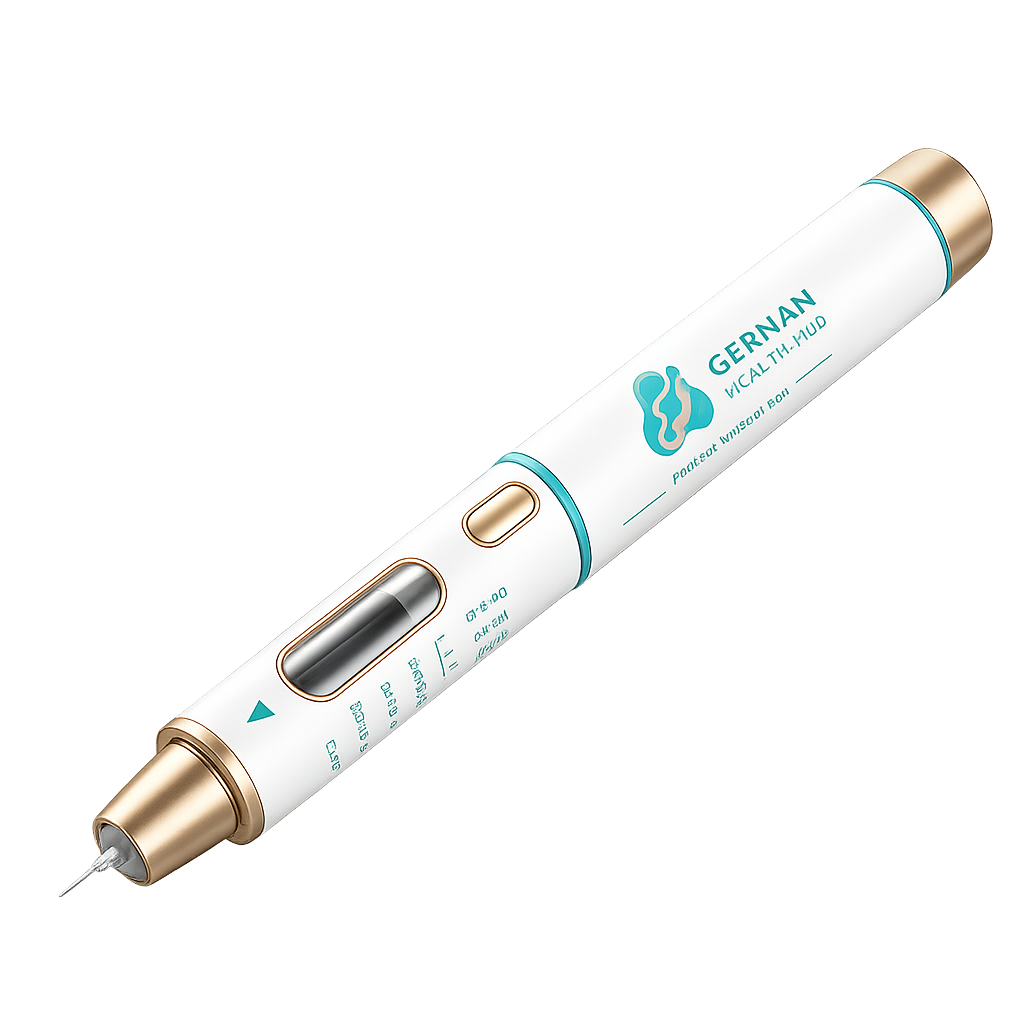
AOD-9604 3.6mg
Lipolytic HGH fragment — targeted fat loss without diabetogenic effects
Full Details & Dosage GuideClinical Uses
- Tissue repair and injury recovery
- Post-surgical healing support
- Cartilage and ligament regeneration
- Chronic pain and inflammation reduction
- Fat metabolism and body recomposition
Key Benefits
- Stimulates natural fat-burning pathways without affecting blood sugar
- Accelerates healing of muscle and connective tissue
- Anti-inflammatory properties reduce recovery time
- No impact on IGF-1 or insulin sensitivity
- Well-tolerated with a strong long-term safety profile
How It Works
AOD-9604 is a stabilized fragment of the C-terminus of human growth hormone (hGH), specifically residues 177-191. It mimics the fat-metabolizing effects of hGH without stimulating IGF-1 production. It activates β3-adrenergic receptors in adipose tissue, directly triggering lipolysis (fat breakdown) while simultaneously inhibiting lipogenesis (fat creation).
Dosage Protocol
300–500 mcg subcutaneous injection daily, administered in the morning on an empty stomach. Best results when combined with a 15–20 minute fasting window post-injection. Cycle: 3 months on, 1 month off.
When to Expect Results
Weeks 2–4: improved recovery and reduced inflammation. Weeks 4–8: visible body composition changes. Weeks 8–12: significant fat reduction and tissue remodeling. Full metabolic benefits consolidate at 90 days.
AOD-9604 15mg
High-dose AOD-9604 — advanced metabolic fat-burning protocol
Full Details & Dosage GuideClinical Uses
- Tissue repair and injury recovery
- Post-surgical healing support
- Cartilage and ligament regeneration
- Chronic pain and inflammation reduction
- Fat metabolism and body recomposition
Key Benefits
- Stimulates natural fat-burning pathways without affecting blood sugar
- Accelerates healing of muscle and connective tissue
- Anti-inflammatory properties reduce recovery time
- No impact on IGF-1 or insulin sensitivity
- Well-tolerated with a strong long-term safety profile
How It Works
AOD-9604 is a stabilized fragment of the C-terminus of human growth hormone (hGH), specifically residues 177-191. It mimics the fat-metabolizing effects of hGH without stimulating IGF-1 production. It activates β3-adrenergic receptors in adipose tissue, directly triggering lipolysis (fat breakdown) while simultaneously inhibiting lipogenesis (fat creation).
Dosage Protocol
300–500 mcg subcutaneous injection daily, administered in the morning on an empty stomach. Best results when combined with a 15–20 minute fasting window post-injection. Cycle: 3 months on, 1 month off.
When to Expect Results
Weeks 2–4: improved recovery and reduced inflammation. Weeks 4–8: visible body composition changes. Weeks 8–12: significant fat reduction and tissue remodeling. Full metabolic benefits consolidate at 90 days.
MOTS-C 30mg
Mitochondrial-derived peptide — metabolic flexibility & insulin sensitivity
Full Details & Dosage GuideClinical Uses
- Metabolic syndrome and insulin resistance
- Type 2 diabetes support
- Obesity and visceral fat reduction
- Exercise performance enhancement
- Mitochondrial dysfunction and fatigue
Key Benefits
- Activates AMPK — the master metabolic regulatory enzyme
- Mimics exercise-like metabolic effects in skeletal muscle
- Improves insulin sensitivity without hypoglycemia risk
- Reduces visceral fat while preserving lean mass
- Mitochondrially encoded — unique mechanism
How It Works
MOTS-c is a 16-amino-acid peptide encoded within mitochondrial DNA. It activates AMPK and regulates glucose and fatty acid metabolism. It increases GLUT4 translocation (glucose uptake), activates PGC-1α (mitochondrial biogenesis), and improves whole-body insulin sensitivity.
Dosage Protocol
5–10 mg subcutaneous injection 3–5x per week. Best administered in the morning before exercise. Stack with NAD+ for synergistic mitochondrial support. Protocol: 8–12 weeks.
When to Expect Results
Week 1–2: improved exercise performance and energy. Weeks 2–4: measurable fasting glucose improvement. Weeks 4–8: visible body composition changes. Weeks 8–12: metabolic panel normalization.
MOTS-C 60mg
High-dose MOTS-C — advanced metabolic and longevity protocol
Full Details & Dosage GuideClinical Uses
- Metabolic syndrome and insulin resistance
- Obesity and visceral fat reduction
- Extended metabolic optimization protocol
- Exercise performance enhancement
- Mitochondrial dysfunction
Key Benefits
- Larger vial for uninterrupted 8–12 week protocols
- Activates AMPK — the master metabolic enzyme
- Exercise-mimetic metabolic effects
- Improves insulin sensitivity without hypoglycemia risk
- Preserves lean mass during weight loss
How It Works
Same MOTS-c mechanism: mitochondrially encoded AMPK activator driving glucose uptake, fatty acid oxidation, and mitochondrial biogenesis. 60mg vial enables extended protocol continuity.
Dosage Protocol
5–10 mg subcutaneous injection 3–5x per week. Morning administration before exercise. 8–12 week protocol without vial change.
When to Expect Results
Weeks 1–2: improved energy. Weeks 2–4: fasting glucose improvement. Weeks 4–8: body composition changes. Weeks 8–12: metabolic normalization.
GLP-X3 15mg
Triple GLP-1 agonist stack — appetite control & weight management
Full Details & Dosage GuideClinical Uses
- Medical weight loss and obesity
- Type 2 diabetes management
- Metabolic syndrome
- Cardiovascular risk reduction in obese patients
- Non-alcoholic fatty liver disease (NAFLD)
Key Benefits
- Triple GLP-1/GIP/glucagon receptor activity — more comprehensive than semaglutide alone
- Reduces appetite through central hypothalamic GLP-1R agonism
- Improves glycemic control and reduces HbA1c
- Reduces visceral and hepatic fat
- Cardiovascular protective effects
How It Works
GLP-X3 is GHH's triple-agonist peptide targeting GLP-1, GIP, and glucagon receptors simultaneously. GLP-1R activation reduces appetite and slows gastric emptying; GIP-R enhances insulin release and fat metabolism; glucagon-R agonism increases energy expenditure. The combination produces far greater weight loss than single-axis GLP-1 agonists.
Dosage Protocol
Starting dose: 2.5 mg subcutaneous injection weekly for 4 weeks. Escalate to 5 mg, then 10 mg weekly at month 2–3. Inject on same day each week. Combine with dietary modification and physician monitoring.
When to Expect Results
Weeks 1–4: reduced appetite. Weeks 4–8: 3–5% body weight loss. Weeks 8–16: 8–12% body weight loss. Weeks 16–24: 15–20%+ total body weight loss.
GLP-X3 40mg
High-dose GLP-X3 — maximum GLP-1 activity for significant weight loss
Full Details & Dosage GuideClinical Uses
- Advanced medical weight loss
- Type 2 diabetes with significant obesity
- Metabolic syndrome requiring higher-dose therapy
- Extended weight management protocol
Key Benefits
- 40mg vial for extended treatment without interruption
- Triple receptor activity outperforms semaglutide and tirzepatide
- Comprehensive metabolic correction across GLP-1, GIP, and glucagon axes
- Sustained weight loss of 15–25% body weight
- Cardiovascular and hepatic protection
How It Works
Same GLP-X3 triple-agonist mechanism. 40mg vial supports 3–4 months of weekly dosing at escalating doses, enabling uninterrupted weight loss protocols up to maximum therapeutic dose.
Dosage Protocol
Same escalation protocol: 2.5 mg → 5 mg → 10 mg → 15–20 mg weekly subcutaneous injection. 40mg vial provides approximately 8–16 weekly doses depending on dose level. Always with dietary and lifestyle modification.
When to Expect Results
Same progression: weeks 1–4 appetite reduction, weeks 4–16 progressive weight loss, weeks 16–24 maximum body weight reduction of 20%+.
Amylix 7.5mg
Amylin analogue — satiety, glucose control & metabolic balance
Full Details & Dosage GuideClinical Uses
- Obesity with metabolic syndrome
- Appetite dysregulation
- Type 2 diabetes with weight comorbidity
- Post-GLP-1 plateau weight loss
Key Benefits
- Dual amylin/calcitonin receptor agonism — distinct from GLP-1 mechanism
- Reduces caloric intake through early satiety
- Reduces post-meal blood glucose spikes
- No nausea at therapeutic doses (advantage over GLP-1)
- Preserves lean mass during weight loss
How It Works
Amylix mimics amylin — a pancreatic peptide co-secreted with insulin. It activates amylin receptors in the area postrema and hypothalamus to reduce meal size, slow gastric emptying, suppress glucagon, and signal satiety. Unlike GLP-1 agonists, amylin primarily acts post-prandially, making it complementary rather than redundant.
Dosage Protocol
7.5 mg subcutaneous injection once weekly. Starting dose — assess for 4 weeks before escalation. Can be stacked with GLP-X3 for dual-mechanism obesity management. Physician monitoring required.
When to Expect Results
Week 1–2: reduced meal portion sizes. Weeks 2–4: 1–3% body weight reduction. Weeks 4–12: consistent weekly weight loss. Weeks 12–24: 10–15% total body weight loss.
Amylix 12mg
High-dose Amylix for advanced metabolic and weight loss protocols
Full Details & Dosage GuideClinical Uses
- Obesity with metabolic syndrome
- Post-GLP-1 plateau weight loss
- Appetite dysregulation
- Type 2 diabetes with weight comorbidity
Key Benefits
- Higher therapeutic dose for greater satiety effect
- Dual amylin/calcitonin receptor agonism distinct from GLP-1
- No nausea at therapeutic doses
- Preserves lean mass during weight loss
- Synergistic with GLP-1 agonists for breakthrough weight loss
How It Works
Same amylin receptor agonism as 7.5mg — activates area postrema and hypothalamic receptors for post-prandial satiety, slowed gastric emptying, and glucagon suppression. 12mg for patients who have plateaued on lower doses.
Dosage Protocol
12 mg subcutaneous injection once weekly. Escalated from 7.5 mg after 4-week assessment. Physician monitoring required.
When to Expect Results
Week 1–2: significant portion reduction. Weeks 2–4: 2–4% body weight loss. Weeks 4–12: progressive weight loss. Weeks 12–24: 12–18% total body weight loss.
Tesamorelin 30mg
GHRH analogue — visceral fat reduction & body recomposition
Full Details & Dosage GuideClinical Uses
- Visceral adiposity reduction
- HIV-associated lipodystrophy
- GH deficiency in adults
- Metabolic syndrome support
- Cardiovascular risk profile improvement
Key Benefits
- FDA-approved for visceral fat reduction — only peptide with this approval
- Significantly reduces trunk fat without affecting subcutaneous fat
- Improves triglyceride and lipid profiles
- Increases IGF-1 and lean body mass
- Supported by multiple Phase III clinical trials
How It Works
Tesamorelin is a stabilized GHRH analog with a trans-3-hexenoic acid group extending its half-life. It binds pituitary GHRH receptors with high affinity, stimulating pulsatile GH release. Selective visceral fat reduction occurs because visceral adipocytes have higher GH receptor density than subcutaneous fat cells, making them preferentially responsive to GH-driven lipolysis.
Dosage Protocol
1–2 mg subcutaneous injection once daily in the abdomen. Morning on empty stomach. Protocols typically 6–12 months. Recheck IGF-1 and abdominal DEXA at 3-month intervals.
When to Expect Results
Weeks 4–8: measurable reduction in waist circumference. Weeks 8–16: significant trunk fat loss on DEXA. Months 3–6: improved lipid panel, IGF-1 normalization, visible abdominal definition.
All peptides require UAE licensed physician review and mandatory blood work before dispensing. All protocols are subject to physician approval. Results vary by individual. These statements are for informational purposes only and do not constitute medical advice.