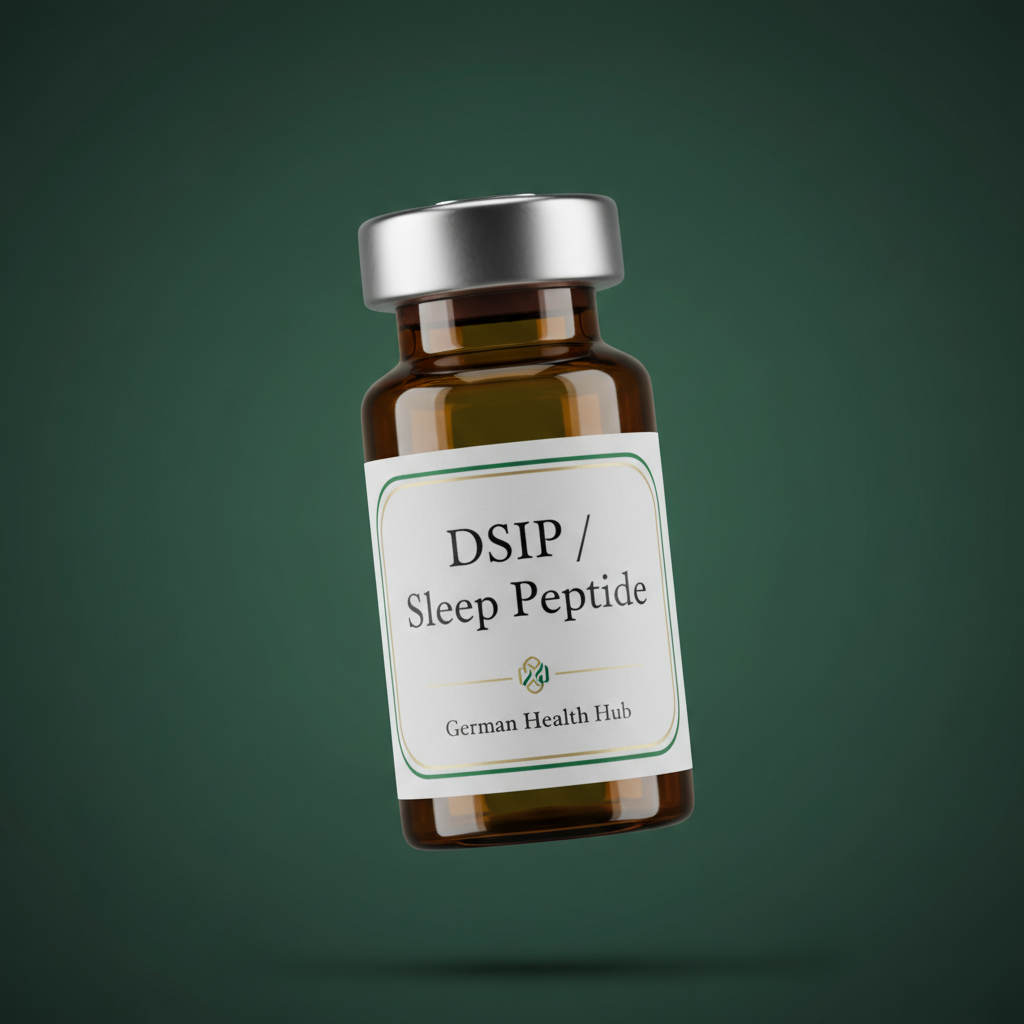
DSIP
A neuropeptide that restores natural deep sleep cycles without dependency or sedation.
DSIP (Delta Sleep-Inducing Peptide) is a nonapeptide first isolated from rabbit cerebral venous blood in 1977. Unlike pharmaceutical sleep aids that force sedation by inhibiting brain activity, DSIP works with the brain's natural sleep architecture — specifically promoting delta-wave (slow-wave) sleep, the deepest and most restorative phase. It also normalizes the cortisol-melatonin rhythm.
Uses
- Chronic insomnia
- Burnout and adrenal fatigue
- Cortisol dysregulation
- Shift work sleep disorder
- Stress-related sleep disruption
- Post-trauma sleep recovery
Benefits
- Induces natural delta-wave (deep) sleep
- Normalizes cortisol circadian rhythm
- Reduces nighttime awakenings
- Improves sleep architecture quality
- Non-addictive — no dependency risk
- Improves daytime energy and mood
How It Works (Mechanism)
DSIP acts on multiple brain regions including the hypothalamus, thalamus, and brainstem reticular formation. It modulates opioid receptors and GABA-B receptors to promote sleep without forcing it. It also resets the HPA axis, reducing elevated cortisol — the primary driver of sleep fragmentation.
Dosage Protocol
Subcutaneous injection: 100–200 mcg, 30–60 minutes before sleep. Used for 5–14 nights initially, then as needed. Can be cycled: 5 nights on, 2 nights off.
When to Expect Results
Sleep quality improvement: night 1–3. Cortisol normalization: 1–2 weeks. Sustained sleep architecture improvement: 2–4 weeks.
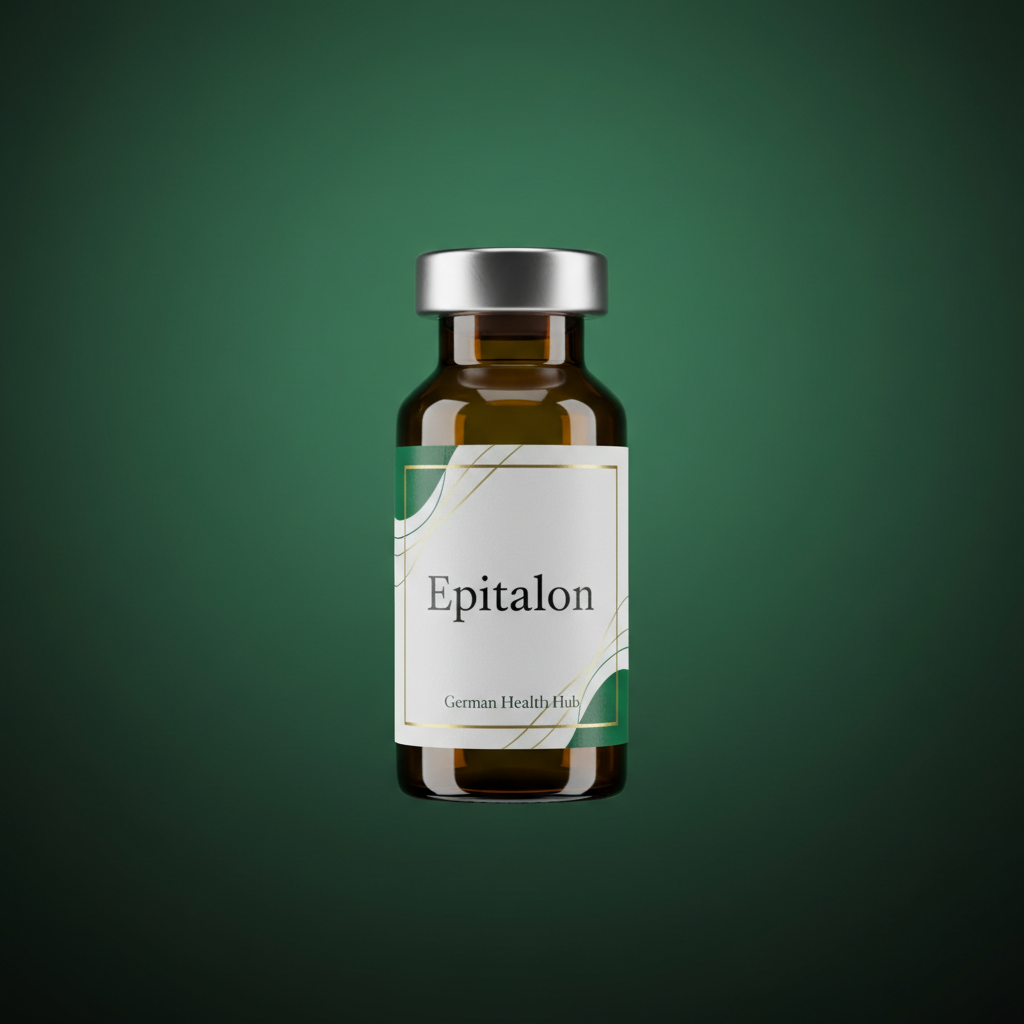
Epitalon
Restores pineal gland function and rebuilds healthy melatonin production and circadian rhythms.
While Epitalon is celebrated for its longevity and telomere-protective effects, its most immediate and noticeable clinical impact is on sleep quality and melatonin restoration. The pineal gland — which produces melatonin — calcifies and loses function progressively after age 30. Epitalon directly regenerates pineal epithelial cells.
Uses
- Age-related sleep deterioration
- Jet lag recovery
- Night shift worker recovery
- Melatonin deficiency
- Circadian rhythm disorders
- Sleep quality as part of longevity protocol
Benefits
- Restores pineal gland melatonin production
- Resets circadian rhythm master clock
- Improves sleep onset latency
- Increases deep sleep duration
- Reduces jet lag severity
- Supports hormonal rhythms tied to sleep
How It Works (Mechanism)
Epitalon stimulates the transcription of the TERT gene (telomerase) in pineal cells, regenerating their capacity to produce melatonin. It also regulates the suprachiasmatic nucleus (SCN) — the brain's master circadian clock — resetting the timing of sleep-wake cycles.
Dosage Protocol
5–10 mg subcutaneous injection, daily for 10–20 consecutive days. Best administered in the evening. Cycle 1–2 times per year.
When to Expect Results
Sleep onset improvement: 3–5 days. Melatonin rhythm restoration: 1–2 weeks. Circadian rhythm reset: 2–4 weeks.
All peptides require UAE licensed physician review and mandatory blood work before dispensing. Results vary by individual. These statements are for informational purposes and do not constitute medical advice.