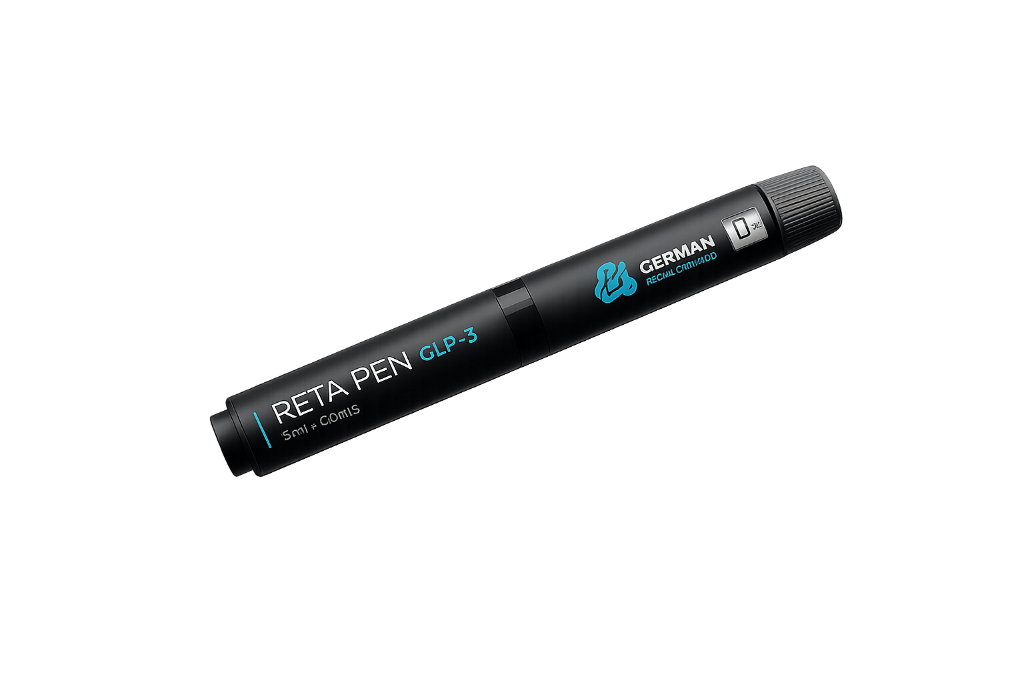
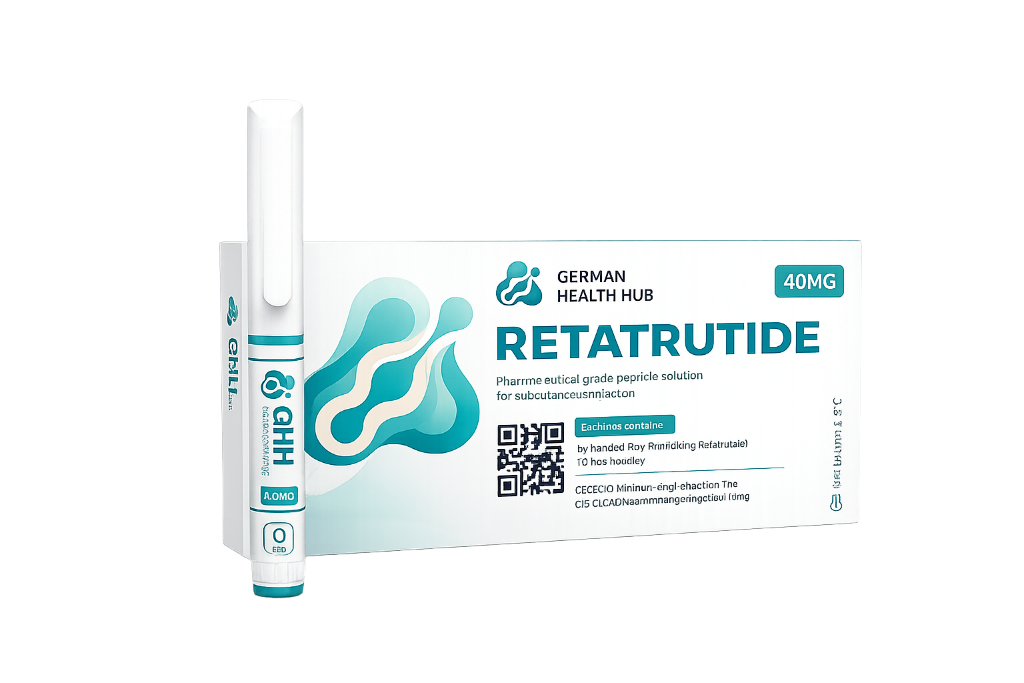
Retatrutide / RETA PEN GLP-3
The world's first triple agonist peptide (GLP-1 / GIP / Glucagon) — delivering up to 24% body weight loss, surpassing every existing weight management drug.
Retatrutide represents the next generation of metabolic medicine. Unlike semaglutide (single GLP-1 agonist) or tirzepatide (dual GLP-1/GIP), Retatrutide simultaneously activates three hormonal pathways: GLP-1 (appetite suppression and insulin release), GIP (fat cell metabolism and insulin sensitization), and Glucagon (energy expenditure and liver fat mobilization). In Phase 2 clinical trials, participants achieved an average of 17.5% weight loss at 24 weeks — with some patients reaching 24% at higher doses. GHH's branded RETA PEN delivers 3ml of pharmaceutical-grade Retatrutide at 40mg concentration, making this next-generation therapy accessible across the UAE.
Uses
- Severe obesity (BMI >35)
- Metabolic syndrome
- Type 2 diabetes with obesity
- Non-alcoholic steatohepatitis (NASH)
- Cardiovascular risk reduction
- Prior GLP-1 non-responders
Benefits
- Up to 24% total body weight reduction (Phase 2 trials)
- Triple mechanism: appetite + fat metabolism + energy expenditure
- Superior efficacy vs semaglutide and tirzepatide
- Significantly reduces visceral and liver fat
- Improves HbA1c, insulin resistance, and lipid profile
- Cardiovascular risk marker improvement
How It Works (Mechanism)
Retatrutide is a unimolecular triple agonist at GLP-1R, GIPR, and GcgR receptors. GLP-1 receptor activation reduces appetite via hypothalamic signaling and slows gastric emptying. GIP receptor activation synergistically amplifies insulin secretion and directly acts on adipocytes to enhance lipolysis. Glucagon receptor activation increases hepatic glucose output suppression, thermogenesis, and liver fat oxidation — creating a uniquely powerful and complementary metabolic effect impossible with single or dual agonists.
Dosage Protocol
RETA PEN (3ml - 40mg Retatrutide). Standard titration: 0.5 mg/week × 4 weeks → 1 mg/week × 4 weeks → 2 mg/week → up to 4 mg/week based on tolerance. Physician-supervised weekly subcutaneous injection via the pre-filled RETA PEN device.
When to Expect Results
Appetite reduction: Week 1–2. Visible weight loss: Week 3–6. Significant body composition change: 3–4 months. Peak weight loss (17–24%): 6–9 months with dose optimization.
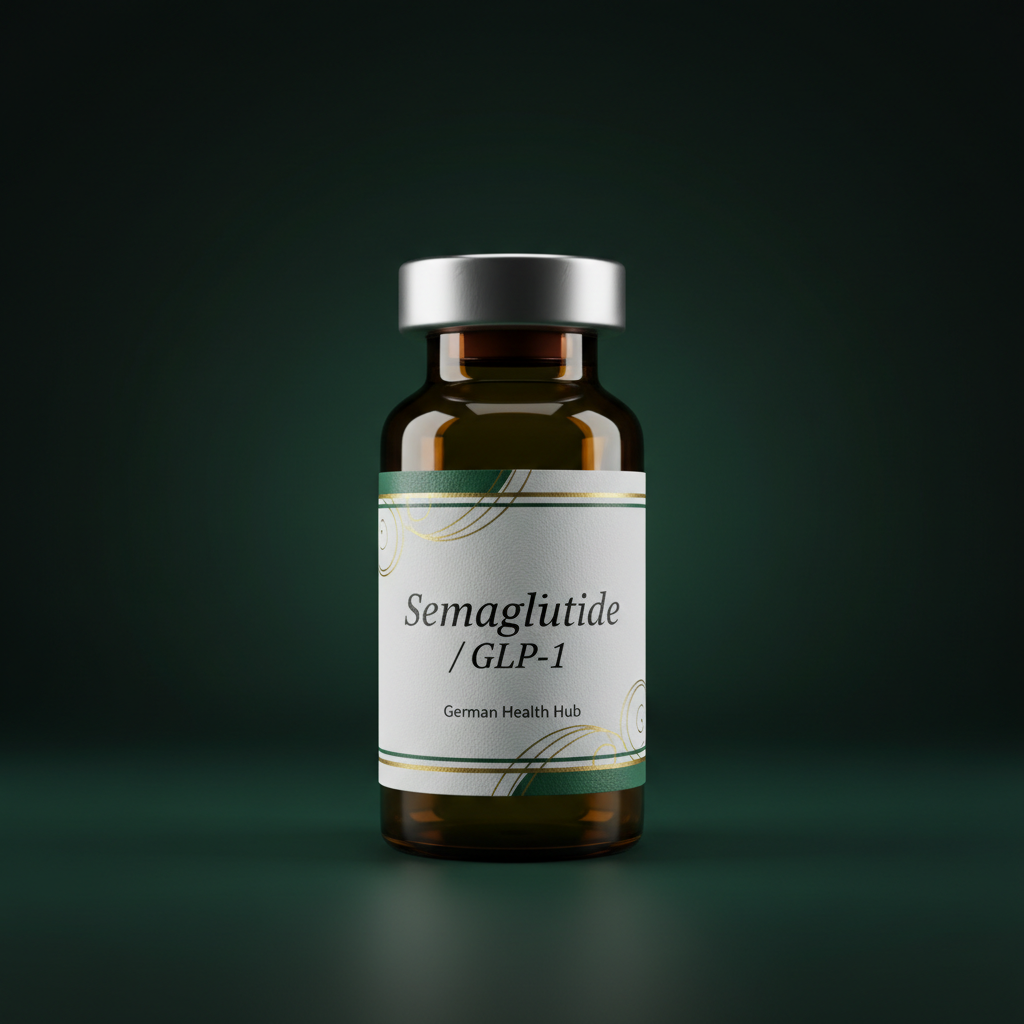
Semaglutide / GLP-1
The most clinically validated weight management peptide in modern medicine.
GLP-1 receptor agonists represent the most significant advancement in obesity medicine in decades. Semaglutide mimics the naturally occurring GLP-1 hormone released after eating, signaling the brain's appetite centre to reduce hunger, slow gastric emptying, and regulate blood sugar. Clinical trials demonstrated 15–20% body weight reduction over 68 weeks.
Uses
- Obesity & overweight management
- Type 2 diabetes glycemic control
- Non-alcoholic fatty liver disease
- Cardiovascular risk reduction
- PCOS hormonal weight gain
- Pre-diabetic metabolic reset
Benefits
- 15–20% average body weight reduction in trials
- Reduces HbA1c by 1.5–2%
- Decreases cardiovascular events by 26% (SUSTAIN-6)
- Reduces visceral fat preferentially
- Improves lipid profile and blood pressure
- Reduces food cravings and emotional eating
How It Works (Mechanism)
Semaglutide binds GLP-1 receptors in the hypothalamus, pancreas, gut, and heart. In the brain, it reduces appetite signals and increases satiety. In the pancreas, it triggers glucose-dependent insulin release. In the gut, it slows gastric emptying.
Dosage Protocol
Standard titration: Start 0.25 mg/week × 4 weeks → 0.5 mg/week × 4 weeks → 1 mg/week → up to 2.4 mg/week (Wegovy dose). Self-administered weekly subcutaneous injection.
When to Expect Results
Appetite reduction: Week 1–2. Visible weight loss: Week 3–6. Significant body composition change: 3–6 months. Peak weight loss: 12–18 months.
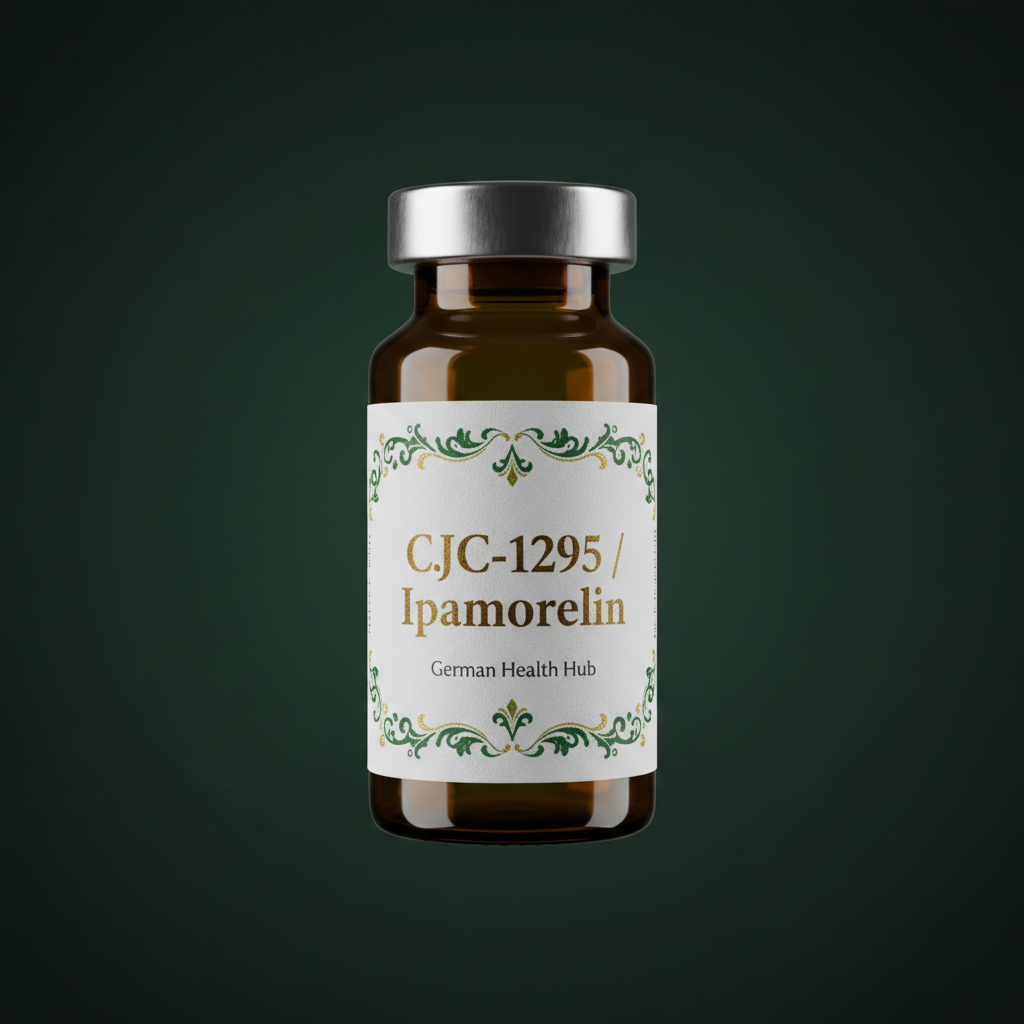
CJC-1295 / Ipamorelin
A synergistic peptide duo that stimulates natural growth hormone release for muscle, fat loss, and recovery.
CJC-1295 and Ipamorelin are almost always prescribed together because they work through complementary mechanisms to produce a powerful, clean growth hormone (GH) pulse. CJC-1295 signals the pituitary to prepare and release GH, while Ipamorelin provides the pulse trigger — without the cortisol and prolactin spikes seen with older peptides.
Uses
- Body composition optimization
- Lean muscle building
- Fat loss and body recomposition
- Athletic performance & recovery
- Anti-aging GH restoration
- Sleep quality improvement
Benefits
- Increases GH pulse amplitude by 200–600%
- Elevates IGF-1 levels sustainably
- Promotes fat oxidation (lipolysis)
- Accelerates muscle protein synthesis
- Improves deep slow-wave sleep
- No cortisol or prolactin side effects
How It Works (Mechanism)
CJC-1295 binds GHRH receptors on somatotrophs in the anterior pituitary and increases the amplitude of GH secretion. Ipamorelin binds ghrelin receptors (GHS-R), triggering GH pulses. Together they mimic youthful GH pulsatility. GH then signals the liver to produce IGF-1.
Dosage Protocol
Standard: CJC-1295 DAC 2 mg/week + Ipamorelin 100–300 mcg nightly before bed. Protocol duration: 3–6 months minimum for body composition results.
When to Expect Results
Sleep quality improvement: 1–2 weeks. Energy and recovery: 2–4 weeks. Visible body composition changes: 2–3 months. Full effect: 4–6 months.
All peptides require UAE licensed physician review and mandatory blood work before dispensing. Results vary by individual. These statements are for informational purposes and do not constitute medical advice.