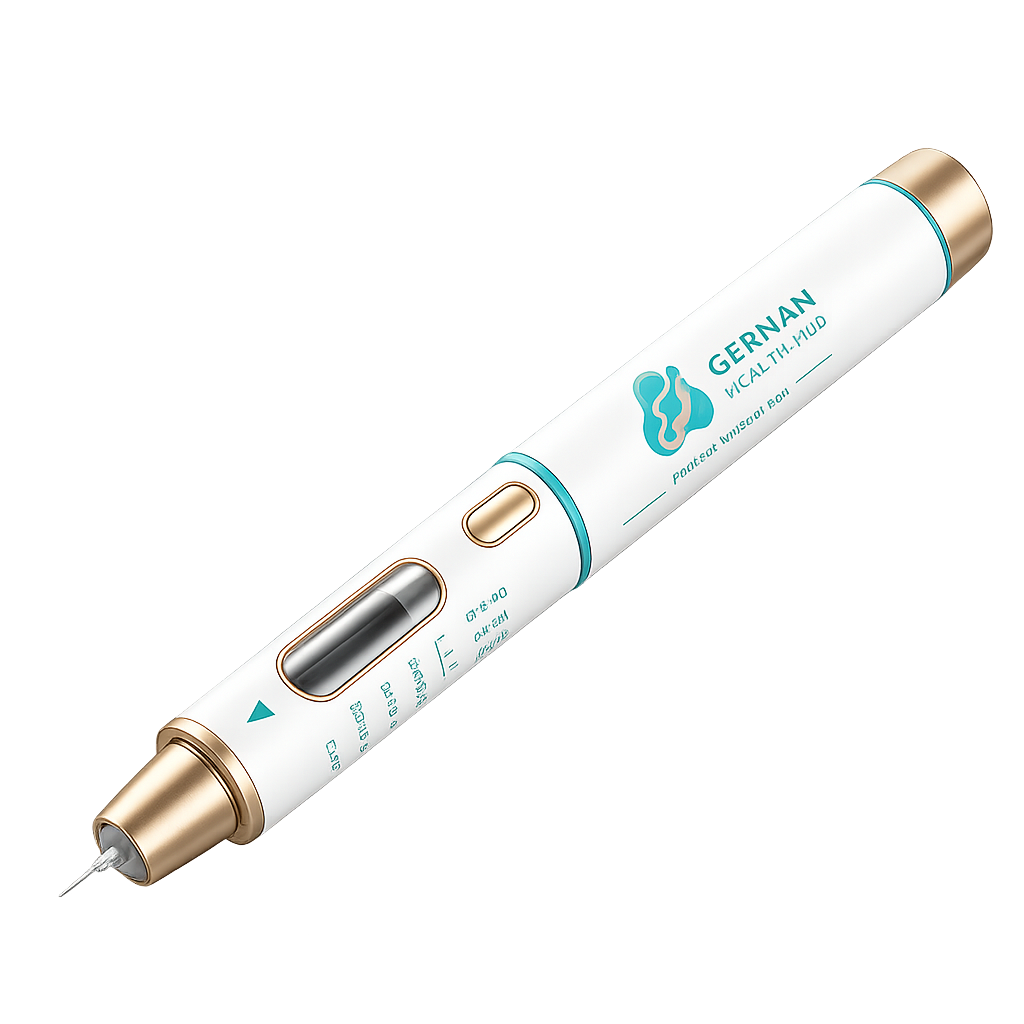
DSIP Peptide 2mg in 2ml
Naturally occurring hypothalamic neuropeptide that induces deep delta-wave sleep, normalises cortisol, and enhances growth hormone release during sleep — without sedation or dependency.
DSIP (Delta Sleep-Inducing Peptide) is a neuropeptide naturally produced in the hypothalamus that plays a critical role in sleep regulation, stress adaptation, and neuroendocrine function. It was first isolated in 1974 from rabbit blood during deep delta-wave sleep. Beyond sleep, it has significant effects on cortisol regulation, stress resilience, and GH release during sleep — making it a unique neuro-endocrine tool.
Clinical Uses
What conditions & goals this peptide addresses
Key Benefits
The measurable outcomes you can expect
How It Works — Mechanism of Action
The precise biology behind this peptide's effects
DSIP crosses the blood-brain barrier and acts on GABA-B receptors and δ-opioid receptors in the hypothalamus and limbic system. It modulates the sleep-wake cycle by increasing slow-wave (delta) sleep without reducing REM sleep. It simultaneously suppresses CRH (corticotropin-releasing hormone), reducing cortisol secretion, and synchronises GH pulses to coincide with deep sleep phases.
Subcutaneous injection 30–60 minutes before bedtime. Some protocols use intranasal delivery. Reconstitute with bacteriostatic water. Take only on nights when sleep improvement is needed.
Dosage Protocol
GHH physician-guided dosing guidelines
Standard: 100–500 mcg subcutaneous before bed. Combined stack: 100 mcg DSIP + CJC 100 mcg + Ipamorelin 200 mcg for maximum sleep/recovery. Do not use daily — 2–3× per week maximum.
When to Expect Results
A realistic timeline from first dose to full effect
First night: noticeable sleep depth improvement. 1–2 weeks: cortisol pattern normalisation. 3–4 weeks: full sleep architecture restoration.
Side Effects
What to watch for and how common they are
Very well tolerated. Rare: vivid dreams, brief disorientation upon waking, mild headache. No dependency, tolerance, or withdrawal.
Contraindications
Who should not use this peptide
Pregnancy. Severe sleep apnoea (consult physician). Avoid combining with benzodiazepines or Z-drugs.
Best Stacked With
Peptide synergies recommended by GHH physicians
Understanding Your Body's Language
Peptides are not exotic foreign chemicals — they are the precise molecular signals your body has evolved to use for billions of years. Here's what you need to know.
"Peptides don't change who you are — they restore who you were designed to be."
— German Health Hub Clinical Philosophy
All peptides require UAE licensed physician review and mandatory blood work before dispensing. Information presented is for educational purposes only and does not constitute medical advice. Individual results may vary. Peptides are prescribed and dispensed under strict medical supervision by German Health Hub's licensed clinical team.