
Epitalon
One of the most studied longevity peptides — protects telomeres and activates the biological anti-aging clock.
Epitalon (Epithalon) is a tetrapeptide (Ala-Glu-Asp-Gly) derived from the pineal gland extract Epithalamin, discovered by Russian scientist Prof. Vladimir Khavinson. With over 100 published studies, it is among the most scientifically validated longevity peptides. It is the only known substance proven to activate telomerase in normal human somatic cells.
Uses
- Longevity optimization
- Telomere length preservation
- Melatonin production support
- Sleep quality improvement
- Anti-cancer defense
- Hormonal regulation in aging
Benefits
- Activates telomerase enzyme to protect telomere length
- Normalizes melatonin and cortisol rhythms
- Improves delta-wave deep sleep quality
- Reduces oxidative stress markers
- Shown to extend lifespan in multiple animal studies
- Restores youthful gene expression patterns
How It Works (Mechanism)
Epitalon enters the nucleus and directly activates the TERT gene — the catalytic subunit of telomerase. This enzyme extends telomeres that have been shortened through cell division and oxidative damage. Simultaneously, it resets the hypothalamic-pituitary axis, restoring hormonal rhythms that degrade with age.
Dosage Protocol
Typical protocol: 5–10 mg per day via subcutaneous injection or intranasal spray, for 10–20 consecutive days. Repeat 1–2 times per year.
When to Expect Results
Sleep improvements: 1–2 weeks. Energy and mental clarity: 2–4 weeks. Measurable hormonal changes: 4–8 weeks.
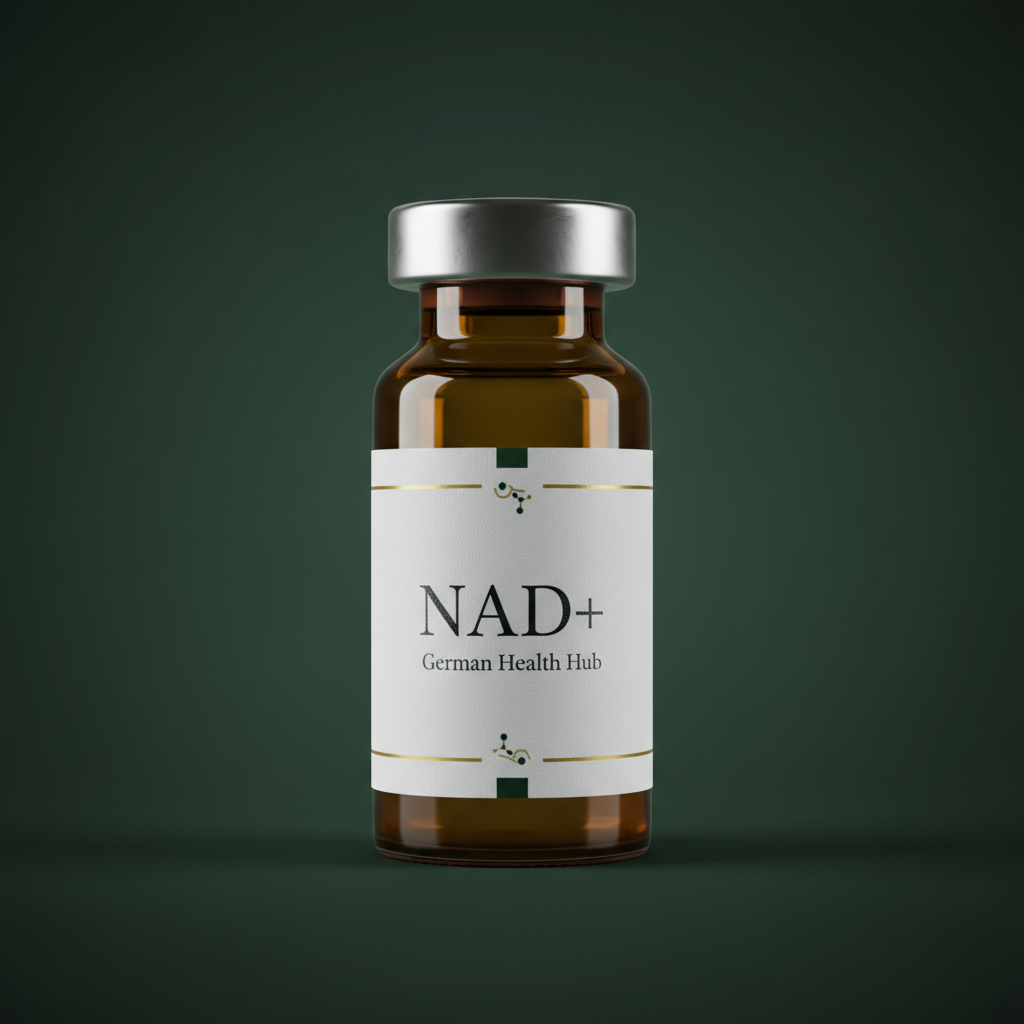
NAD+
The essential coenzyme powering DNA repair, mitochondrial energy, and every major longevity pathway in your body.
Nicotinamide Adenine Dinucleotide (NAD+) is arguably the most important molecule in the biology of aging. Every cell in your body requires it to generate energy (ATP), repair DNA, regulate sirtuins (longevity genes), and maintain mitochondrial health. By age 50, NAD+ levels have dropped over 50% from youthful peaks.
Uses
- Chronic fatigue & brain fog
- Metabolic syndrome support
- Athletic performance recovery
- Neurodegenerative disease prevention
- Alcohol recovery & liver support
- General anti-aging optimization
Benefits
- Restores mitochondrial energy production
- Activates SIRT1/SIRT3 sirtuin longevity genes
- Accelerates DNA strand-break repair
- Improves insulin sensitivity
- Enhances cognitive performance and focus
- Reduces inflammatory markers (NF-κB pathway)
How It Works (Mechanism)
NAD+ is the central hub of cellular metabolism. It shuttles electrons in the electron transport chain (generating ATP), acts as a co-substrate for sirtuin deacetylases, and fuels PARP enzymes that repair DNA damage.
Dosage Protocol
IV infusion: 250–1000 mg over 2–4 hours, 1–5 sessions spaced weekly. Subcutaneous injection: 25–100 mg daily or every other day.
When to Expect Results
Mental clarity and energy: during or within 24–48 hours of IV. Sustained energy improvement: 1–2 weeks. Measurable metabolic markers: 4–8 weeks.

MOTS-C
The only known peptide encoded within mitochondrial DNA — regulates metabolism and extends lifespan.
MOTS-C was discovered in 2015 and is unique in biology: it is a peptide encoded not in nuclear DNA but in the mitochondria themselves. It acts as a mitochondria-to-nucleus messenger, regulating insulin sensitivity, fat oxidation, and metabolic homeostasis. In animal studies, it extended lifespan and reversed age-associated metabolic decline.
Uses
- Insulin resistance & pre-diabetes
- Obesity and body composition
- Exercise performance & endurance
- Metabolic syndrome
- Age-related muscle loss (sarcopenia)
- Longevity optimization
Benefits
- Dramatically improves insulin sensitivity
- Activates AMPK — the master metabolic regulator
- Increases fatty acid oxidation (fat burning)
- Enhances exercise endurance and recovery
- Reduces visceral fat accumulation
- Shown to extend healthy lifespan in mice
How It Works (Mechanism)
MOTS-C translocates from mitochondria to the cell nucleus in response to metabolic stress. There it activates the ARE (antioxidant response element) pathway and upregulates AMPK signaling, suppressing mTOR and promoting autophagy.
Dosage Protocol
Subcutaneous injection: 5–10 mg, 2–3 times per week for 8–12 weeks. Best administered before exercise.
When to Expect Results
Improved exercise performance: 2–4 weeks. Measurable body composition changes: 6–10 weeks. Metabolic blood marker improvement: 8–12 weeks.
All peptides require UAE licensed physician review and mandatory blood work before dispensing. Results vary by individual. These statements are for informational purposes and do not constitute medical advice.